March 8 — Global fuel prices may remain high for months even if the ongoing conflict involving Iran ends immediately, analysts say, as damage to energy infrastructure and disruptions to critical shipping routes continue to strain global supply chains.
The escalating conflict in the Middle East has already sent shockwaves through global energy markets, with traders reacting to attacks on key oil and gas facilities as well as growing uncertainty around one of the world’s most important energy corridors.

Industry experts say that even if hostilities were to stop today, the process of restoring production and transportation systems could take weeks or even months, preventing fuel prices from falling quickly.
Energy Infrastructure Hit by Attacks
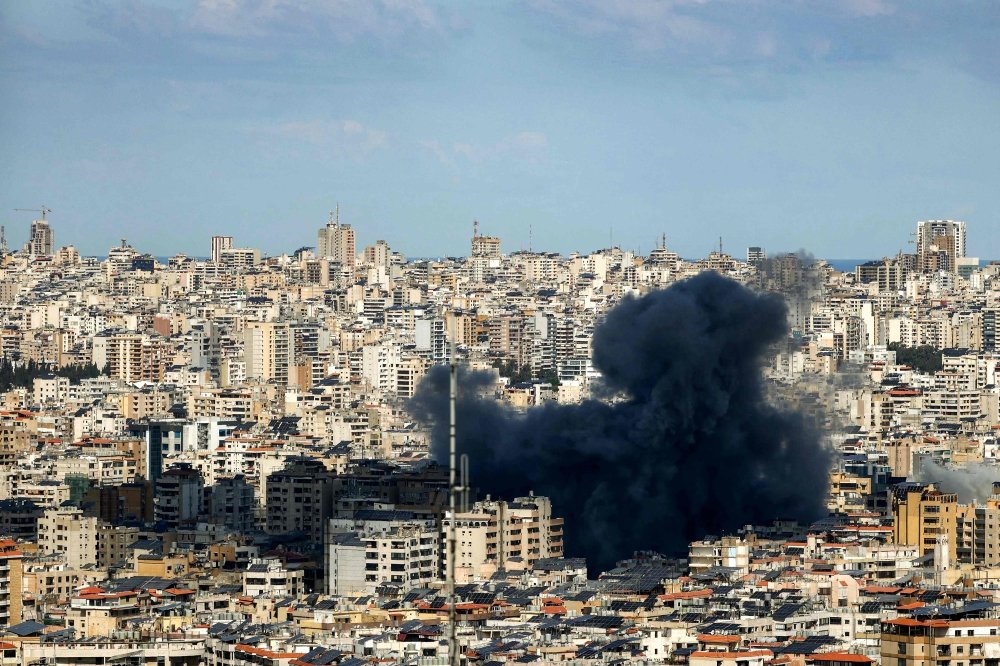
The war has already disrupted several major energy facilities across the Gulf region, raising concerns about the stability of global fuel supplies.
Among the most significant developments was the declaration of force majeure by Qatar on its liquefied natural gas (LNG) exports following drone attacks linked to the conflict. Such declarations allow suppliers to suspend contractual deliveries when extraordinary circumstances prevent them from fulfilling obligations.
Qatar is one of the world’s largest LNG exporters, accounting for roughly 20 per cent of global LNG supply, meaning any disruption to its exports can have a substantial impact on international energy markets.
In addition, reports indicate that Saudi Arabia’s Ras Tanura refinery and crude export terminal, one of the largest oil processing and shipping hubs in the world, was forced to shut down after being targeted during the conflict. The facility plays a crucial role in exporting Saudi crude to global markets.
Damage or operational shutdowns at such large facilities can take significant time to repair, further delaying the recovery of energy supplies.
Shipping Routes Under Threat
Another major concern for the global energy market is the situation in the Strait of Hormuz, a narrow maritime passage between Iran and Oman that serves as one of the world’s most important oil transit routes.
Nearly one-fifth of global oil shipments normally pass through the strait, making it a critical artery for energy supplies flowing from the Middle East to Asia, Europe and other regions.
However, the ongoing conflict has created serious security risks for commercial shipping in the area. Some tanker operators have reduced or suspended transit through the strait due to fears of missile or drone attacks.
Even temporary disruptions to tanker traffic can significantly tighten global oil supply and push fuel prices higher.
Oil Prices React to Supply Fears
Global oil prices have already surged in response to the escalating conflict, with markets reacting strongly to fears of prolonged supply disruptions.
Analysts say the price of crude oil could remain above US$100 per barrel if energy infrastructure damage persists or if shipping through the Gulf remains unstable.
Higher crude prices usually translate directly into higher fuel costs for consumers, affecting petrol, diesel and aviation fuel prices worldwide.
Ripple Effects Across the Global Economy
Rising fuel prices often have far-reaching consequences for the global economy.
Transportation costs increase as airlines, shipping companies and logistics firms pay more for fuel. These higher costs are typically passed on to businesses and consumers, raising the prices of goods and services.
Food prices can also be affected because agricultural production and transportation rely heavily on fuel and fertilisers derived from energy products.
Economists warn that prolonged high fuel prices could contribute to global inflation, complicating economic recovery in many countries.
Recovery May Take Time
Even if diplomatic efforts succeed in ending the conflict quickly, energy markets may take time to stabilise.
Experts note that restarting oil refineries, LNG plants and export terminals requires careful safety inspections, technical repairs and the gradual resumption of operations.
Similarly, shipping companies may remain cautious about returning to high-risk routes until security conditions improve.
Because of these factors, global fuel prices may remain elevated well beyond the end of active fighting.
Uncertain Outlook for Energy Markets
For now, traders, governments and energy companies around the world are closely monitoring developments in the Middle East.
The region plays a central role in global energy supply, and any instability there can have immediate consequences for fuel prices and economic stability worldwide.
While markets may eventually stabilise once infrastructure is repaired and supply routes reopen, analysts warn that the effects of the conflict could linger in global energy markets for months to come