KUALA LUMPUR,April – European companies are heading into one of their most challenging earnings seasons in recent years as the ongoing Iran war continues to disrupt global energy markets and slow regional economic growth, according to Bloomberg reporting.
The geopolitical conflict has intensified uncertainty across financial markets, driving higher oil and gas prices while adding fresh pressure on already fragile European economies. Analysts say the combination of elevated energy costs, supply chain disruptions, and weakening consumer demand is creating a difficult operating environment for businesses across the continent.

Energy-intensive industries such as manufacturing, chemicals, logistics, and industrial production are expected to be among the most affected. Higher electricity and fuel costs are significantly increasing production expenses, forcing companies to either absorb losses or pass costs onto consumers—both of which risk reducing profitability.
At the same time, inflationary pressures remain persistent across Europe. Rising energy costs have contributed to higher prices for goods and services, reducing household purchasing power and slowing overall consumption. This has created a ripple effect across retail, automotive, and service-based industries, where demand is showing signs of weakening.
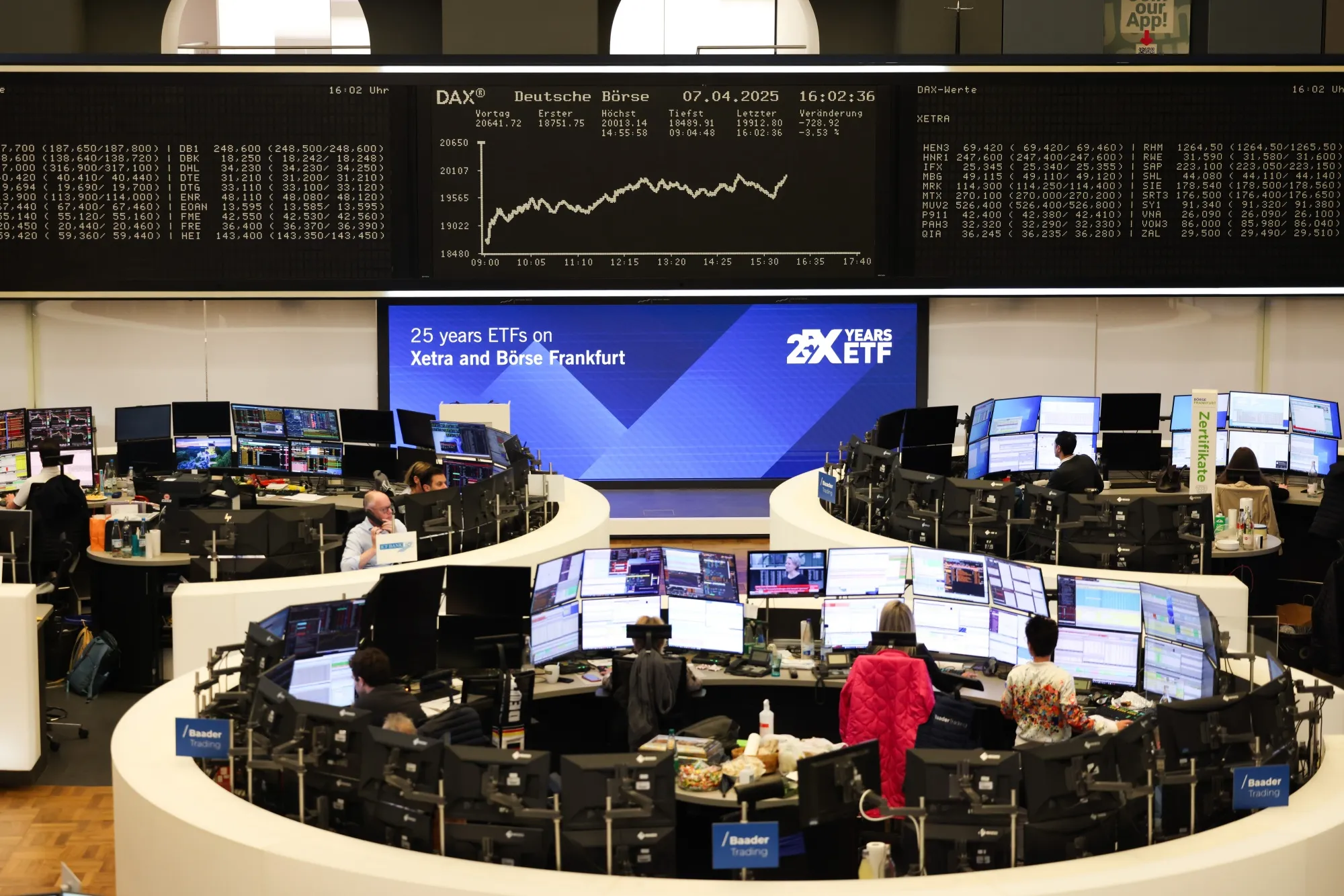
Market analysts have already begun revising down earnings expectations for European companies, with many suggesting that previous forecasts did not fully account for the ongoing geopolitical instability. The Iran war, in particular, has emerged as a key external shock, further complicating an already uncertain macroeconomic environment.
Central banks across Europe are also facing difficult policy decisions. With inflation still elevated due to energy-driven price increases, monetary authorities are expected to maintain tighter interest rates for longer periods. This is likely to further slow economic growth by increasing borrowing costs for both businesses and consumers.
Investors are closely watching the upcoming earnings season for signs of resilience or further weakness. Corporate guidance for the remainder of the year is expected to reflect caution, as companies prepare for continued volatility in energy markets and global trade conditions.
Some European firms have attempted to mitigate rising costs through price adjustments, efficiency improvements, and restructuring efforts. However, analysts warn that these measures may not be sufficient if energy prices remain elevated and consumer demand continues to weaken.
The broader outlook for Europe’s economy remains highly uncertain. Economists warn that prolonged geopolitical tensions could push the region closer to stagnation or even recession, particularly if energy supply disruptions persist or worsen.
In addition, global investor sentiment has become more risk-averse, with capital flows shifting toward safer assets amid rising geopolitical instability. This has added further pressure on European equity markets, which are already struggling under the weight of weaker growth expectations.
As earnings reports begin to roll out across major European companies, market participants will be looking closely at revenue trends, profit margins, and forward guidance. These indicators will be crucial in determining whether Europe can withstand the economic shock or face a prolonged period of slowdown.
Overall, the combination of geopolitical conflict, energy market volatility, and weakening demand is setting the stage for a tough and highly uncertain earnings season across Europe.