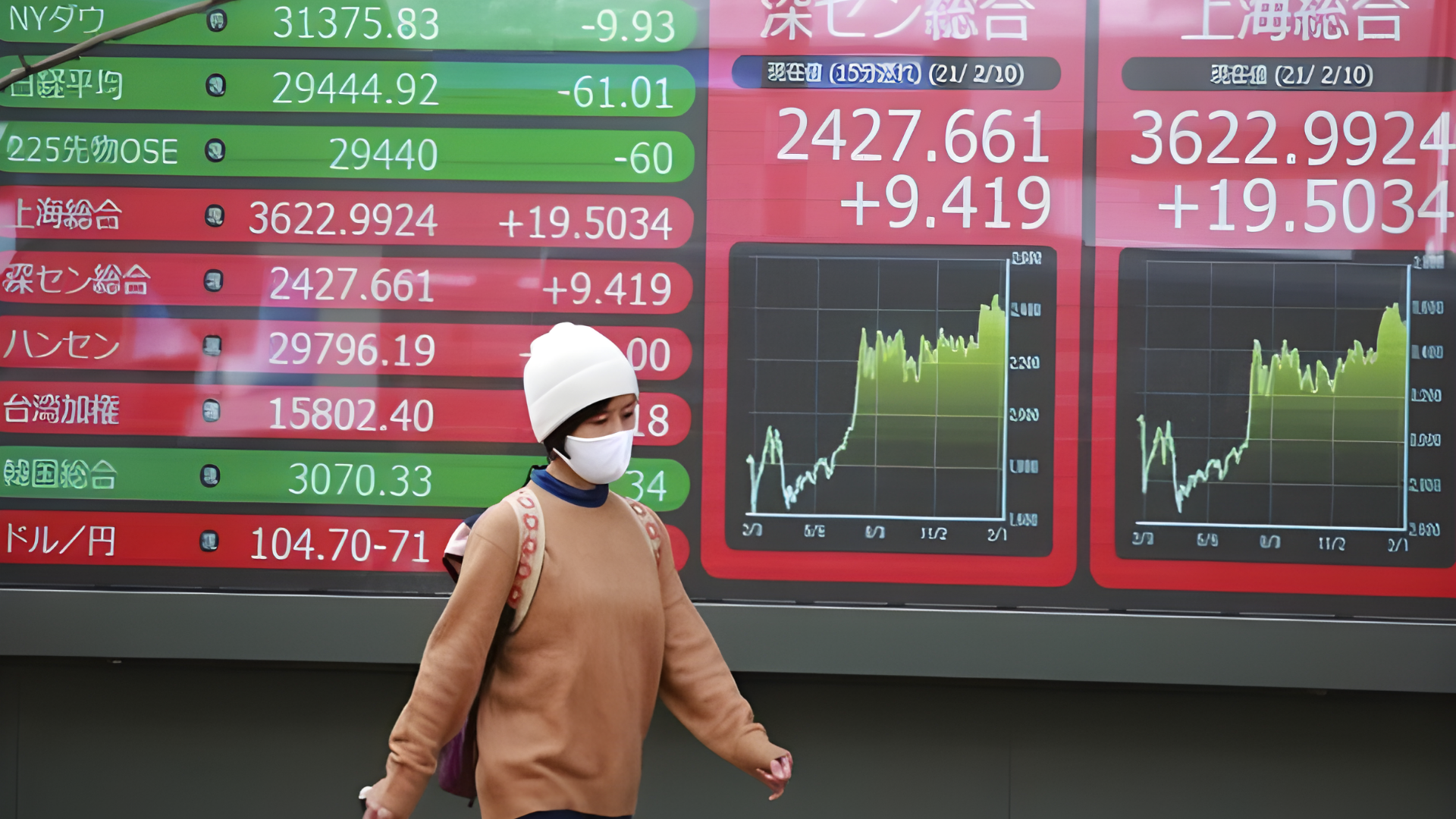
KUALA LUMPUR, APRIL— Malaysia’s economic growth has slowed to 5.3% year-on-year in the first quarter of 2026, reflecting early signs of strain from escalating global conflicts and rising energy costs, even as the country maintains overall economic resilience.
The latest advance estimates show a moderation from the 6.3% growth recorded in the final quarter of 2025, which had been the fastest pace in three years.

Despite the slowdown, Malaysia’s economy continues to demonstrate strength across several core sectors.
Growth in the first quarter was supported by:
- Manufacturing sector expansion
- Continued strength in services and construction
- Stable domestic demand and consumption
However, the overall pace weakened compared to the previous quarter, indicating growing external pressures on the economy.
At the same time, the mining and quarrying sector contracted by 1.1%, mainly due to reduced output of crude oil and natural gas—highlighting vulnerabilities within resource-dependent segments.
A major factor behind the slowdown is the ongoing geopolitical tension in the Middle East, which has significantly affected global energy markets.
Rising oil prices and supply uncertainties have:
- Increased production and transportation costs
- Pressured supply chains
- Raised inflation risks
- Created uncertainty for investors and businesses
Malaysia’s Chief Statistician noted that while the economy remains “fundamentally resilient,” global uncertainties—especially elevated oil prices due to geopolitical tensions—are beginning to impact growth momentum.
Economic data also shows a gradual increase in inflation:
- Consumer prices rose 1.7% in March 2026
- Up from 1.4% in February
This reflects the early effects of higher energy costs filtering into the broader economy.
Economists warn that prolonged conflict could further increase inflation, particularly in fuel, transportation, and food sectors.
Despite current challenges, Bank Negara Malaysia maintains a cautiously optimistic outlook.
The central bank projects:
- Full-year GDP growth between 4% and 5% in 2026
- Supported by household spending, exports, and tourism
However, officials have acknowledged that continued geopolitical instability could pose downside risks to both growth and inflation.
Malaysia’s slowdown is part of a broader regional pattern, as many Asian economies face similar pressures.
According to global financial institutions:
- Asia is highly vulnerable to energy shocks due to heavy reliance on fuel imports
- Growth across the region is expected to slow amid rising oil prices
- Inflation risks are increasing across emerging markets
Countries such as Thailand have already revised growth forecasts downward due to the same geopolitical factors.
Despite external challenges, several factors continue to support Malaysia’s economic stability:
- Strong domestic consumption
- Steady export demand, particularly in electronics
- Recovery in tourism
- Government fiscal support measures
These elements are helping cushion the economy against global shocks.
Looking forward, the biggest risks to Malaysia’s economy include:
- Prolonged conflict in the Middle East
- Continued volatility in oil and gas prices
- Disruptions in global trade routes
- Reduced investor confidence
Analysts warn that if the conflict escalates further, the impact on growth could become more pronounced in the coming quarters.
While Malaysia’s economic growth has slowed, the overall outlook remains cautiously stable.
The country’s diversified economy and strong domestic demand provide a buffer against global uncertainty, but sustained geopolitical tensions and rising energy costs will continue to test its resilience.
The coming months will be critical in determining whether Malaysia can maintain its growth trajectory or face deeper economic headwinds as global conditions evolve.