KUALA LUMPUR, April — The United Nations has issued a strong call for Iran to continue diplomatic negotiations as tensions in West Asia intensify, warning that the region is dangerously close to a wider conflict that could destabilize global security and economic systems.
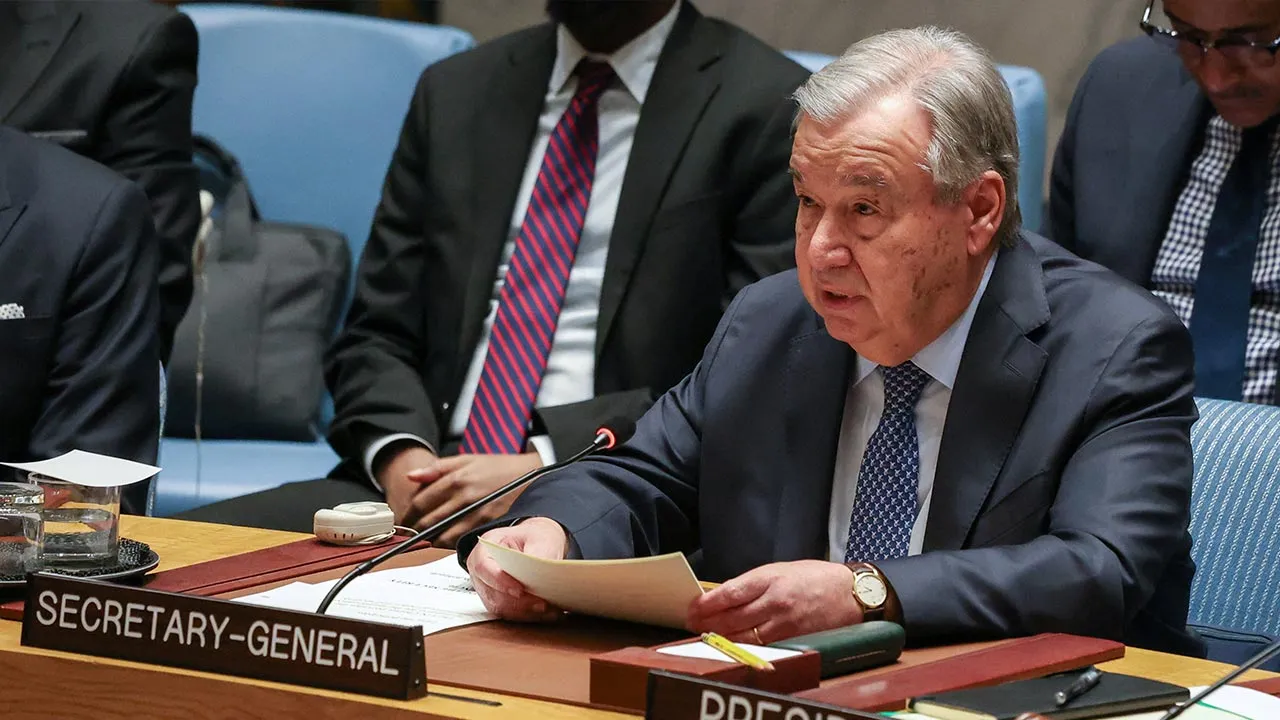
UN Secretary-General António Guterres stressed that sustained dialogue remains the only viable path forward, urging all parties involved to exercise restraint and avoid further escalation. His remarks come at a time when military tensions and political deadlock between Iran and the United States continue to deepen.

The UN’s appeal follows the breakdown of recent high-level negotiations aimed at easing tensions between Tehran and Washington. These talks, which were expected to lay the groundwork for de-escalation, failed to produce meaningful progress, raising concerns among global leaders.
Despite the setback, the United Nations continues to push for renewed engagement, emphasizing that abandoning diplomacy could significantly increase the risk of prolonged instability and open conflict.
International stakeholders have echoed this concern, highlighting that maintaining communication channels is essential to prevent misunderstandings and unintended military escalation.
According to the UN, the situation in West Asia is approaching a critical threshold. Continued hostilities, combined with rising military activity in key areas, could trigger a wider regional war involving multiple actors.
Guterres warned that such a scenario would not only devastate the Middle East but also have far-reaching global consequences, including humanitarian crises, economic disruption, and threats to international peace.
The increasing volatility around strategic areas such as the Strait of Hormuz further amplifies these risks. As one of the world’s most critical oil transit routes, any instability in this corridor has immediate implications for global energy markets.
The ongoing tensions have already begun to impact the global economy, particularly in the energy sector. Disruptions or threats to key shipping routes have led to increased oil price volatility and heightened uncertainty in financial markets.
The UN warns that a prolonged conflict could:
- Disrupt global energy supply chains
- Drive up fuel and commodity prices
- Increase inflation across major economies
- Weaken global economic recovery
Energy-importing nations are particularly vulnerable, as they rely heavily on stable oil flows through critical maritime routes.
In response to the escalating crisis, the United Nations is urging greater international cooperation to support diplomatic efforts. This includes the involvement of regional partners, global powers, and neutral mediators to facilitate dialogue and reduce tensions.
Multilateral engagement is seen as essential in ensuring that any agreements reached are credible, enforceable, and sustainable over the long term.
Global leaders have also emphasized the importance of respecting international law and maintaining stability in key geopolitical regions.
While diplomatic channels remain open, the window for peaceful resolution appears to be narrowing. The UN’s latest warning underscores the urgency of immediate and sustained engagement to prevent further deterioration of the situation.
The coming weeks are expected to be decisive. Continued dialogue could help stabilize the region, while failure to act may push the conflict toward a broader and more dangerous confrontation.
For now, the international community watches closely as efforts to revive negotiations continue under mounting pressure.