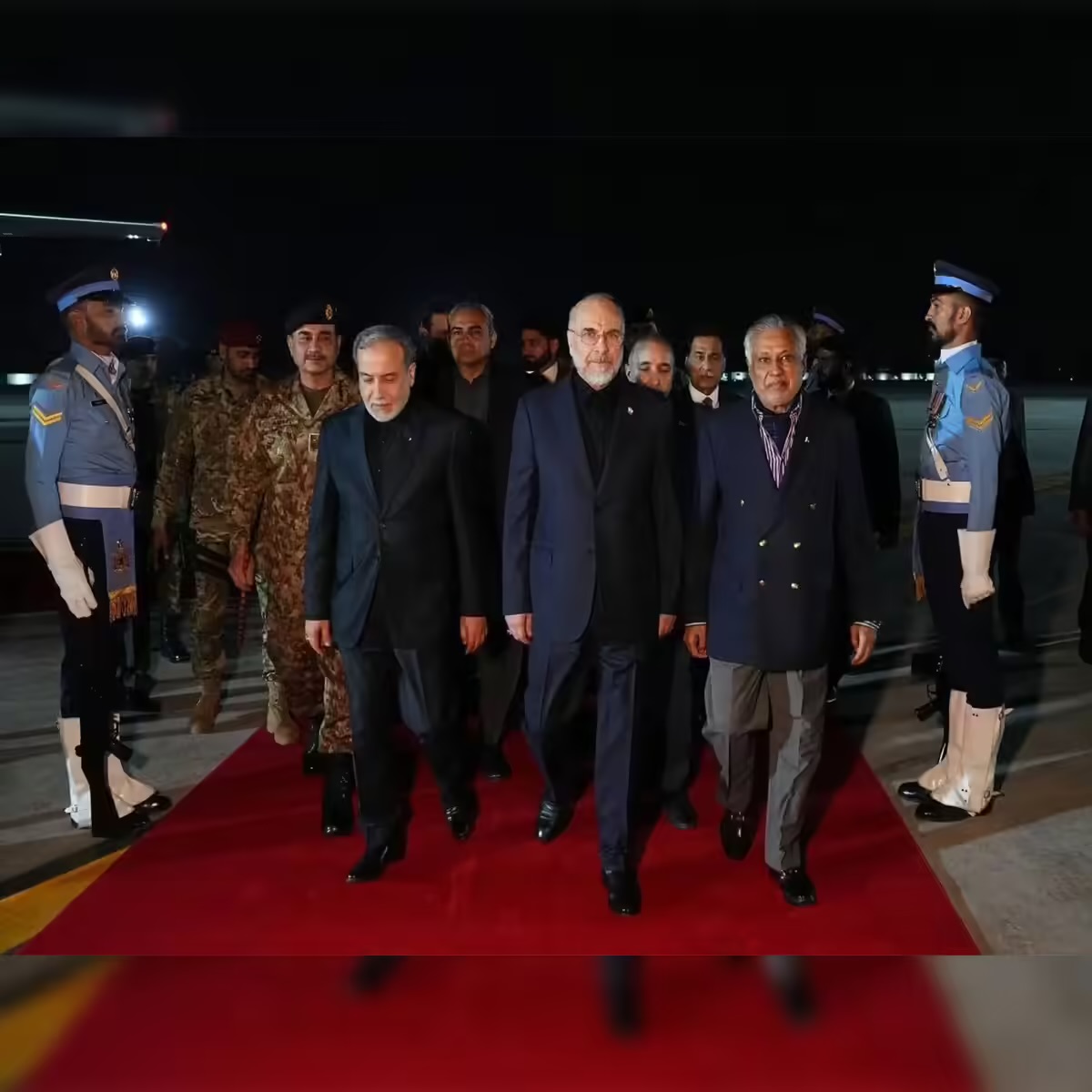
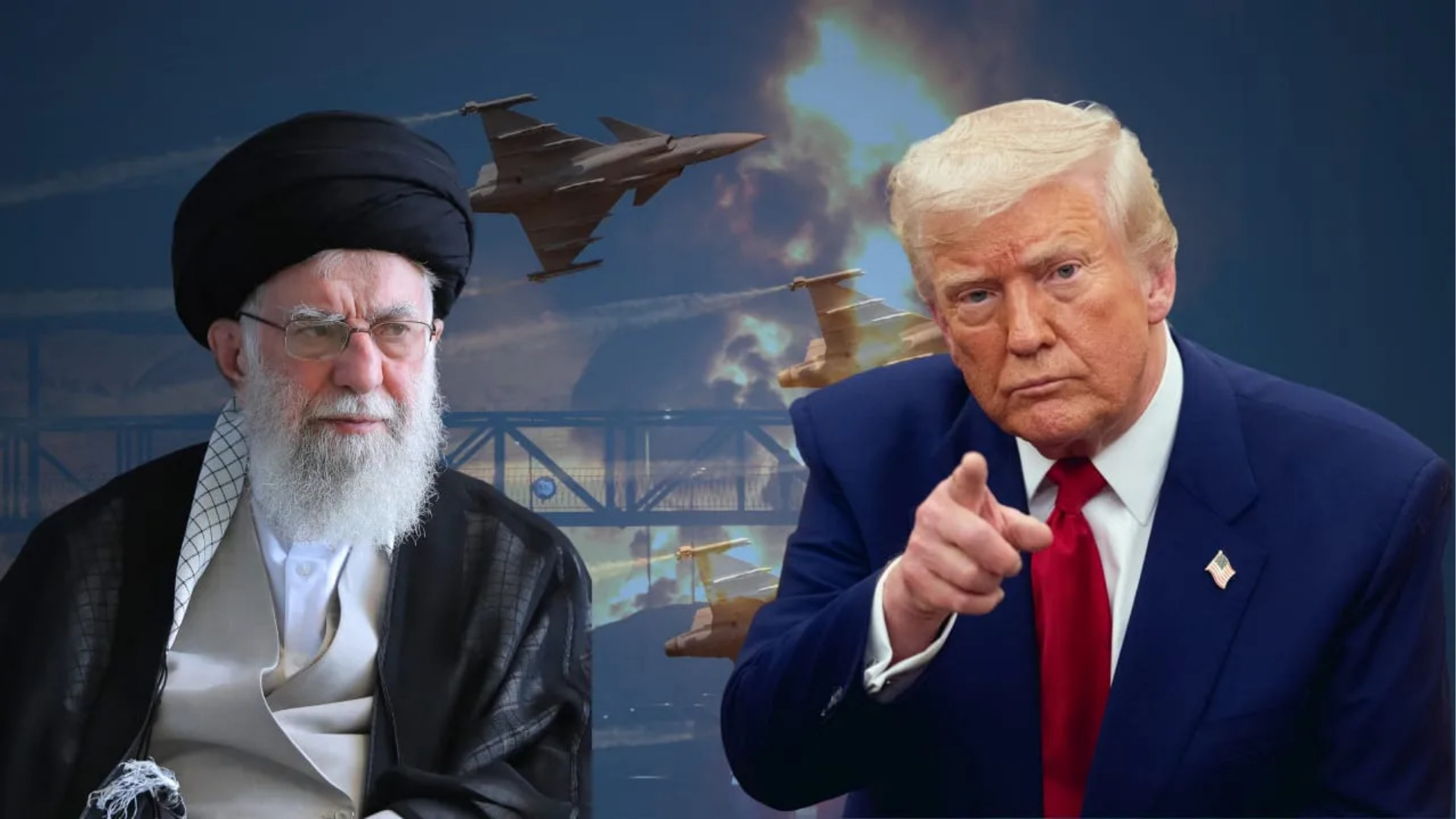
Kuala Lumpur – The United States and Iran have failed to reach a truce deal after intense 21-hour marathon negotiations in the Pakistani capital, marking the highest-level direct talks between Washington and Tehran since the 1979 Islamic Revolution.
US Vice President JD Vance, who led the American delegation, told reporters on Sunday that Iran had chosen not to accept Washington’s key conditions, particularly a firm commitment to abandon any pursuit of nuclear weapons.

“The bad news is that we have not reached an agreement, and I think that’s bad news for Iran much more than it’s bad news for the United States of America,” Vance said shortly before departing Islamabad.
He stressed that the US requires a clear and affirmative commitment from Tehran: “not to seek a nuclear weapon and not to seek the tools that would enable them to quickly achieve a nuclear weapon.”
Iran’s delegation was headed by Parliament Speaker Mohammad Bagher Ghalibaf. He stated that Iran had presented “forward-looking” initiatives, but accused the US side of failing to build trust.
Iran’s Foreign Ministry spokesperson Esmaeil Baghaei added that no one expected a full agreement in a single session. “Naturally, from the beginning, we should not have expected to reach an agreement in one meeting. No one had such an expectation,” he said.
The talks took place during a fragile two-week ceasefire in the six-week US-Israeli war on Iran that began on February 28, 2026. The conflict has killed more than 2,000 people and caused widespread destruction in Iran, while triggering a global energy crisis after Iran tightened control over the Strait of Hormuz — a critical chokepoint for about 20% of the world’s oil and gas supplies.
Major sticking points included:
- Iran’s nuclear program and highly enriched uranium stockpiles
- Control and security of the Strait of Hormuz
- Release of frozen Iranian assets
- War reparations
- A broader regional ceasefire, particularly in Lebanon
Tehran has demanded that any ceasefire must also cover Israeli operations against Hezbollah in Lebanon, but Israel has rejected this and continued strikes. At least six people were killed in the latest Israeli attack in southern Lebanon’s Tyre district while the Islamabad talks were ongoing.
Pakistan, acting as mediator, expressed hope that both sides would continue discussions in a positive spirit. Oman, which had previously mediated, urged the extension of the ceasefire and warned that painful concessions would be necessary to avoid further war.
Despite the failure to reach a deal, both delegations indicated that indirect contacts through Pakistan and regional partners would likely continue.