KUALA LUMPUR,APRIL — Southeast Asia is experiencing a powerful resurgence in cruise tourism, with Thailand emerging as a key driver alongside regional players such as Singapore, Malaysia, Indonesia, Vietnam, and the Philippines.
According to recent industry data, the region’s cruise sector generated an impressive $10 billion in total economic output, marking a major milestone in its transformation into one of the fastest-growing cruise markets in the world.

The surge in cruise tourism reflects Southeast Asia’s growing appeal as a global travel destination, driven by its rich cultural diversity, scenic coastlines, and strategic geographic location.
In 2024 alone, the region recorded approximately 3.9 million cruise passenger visits, accounting for a growing share of the global cruise market.
Despite representing only a small portion of total global cruise passengers, Southeast Asia delivers significantly higher economic value per traveler—about 2.4 times the global average per passenger.
This indicates strong spending power among cruise tourists visiting the region.
Thailand is actively positioning itself as a major cruise hub in Asia, with ongoing investments in infrastructure and tourism development.
Government initiatives include plans to build new cruise terminals on both the Gulf of Thailand and the Andaman coast, aimed at attracting more international cruise lines and boosting visitor numbers.
The country is also working closely with global cruise operators to enhance port facilities, streamline logistics, and improve passenger experiences.
These efforts are expected to significantly increase Thailand’s share of cruise tourism in the coming years.
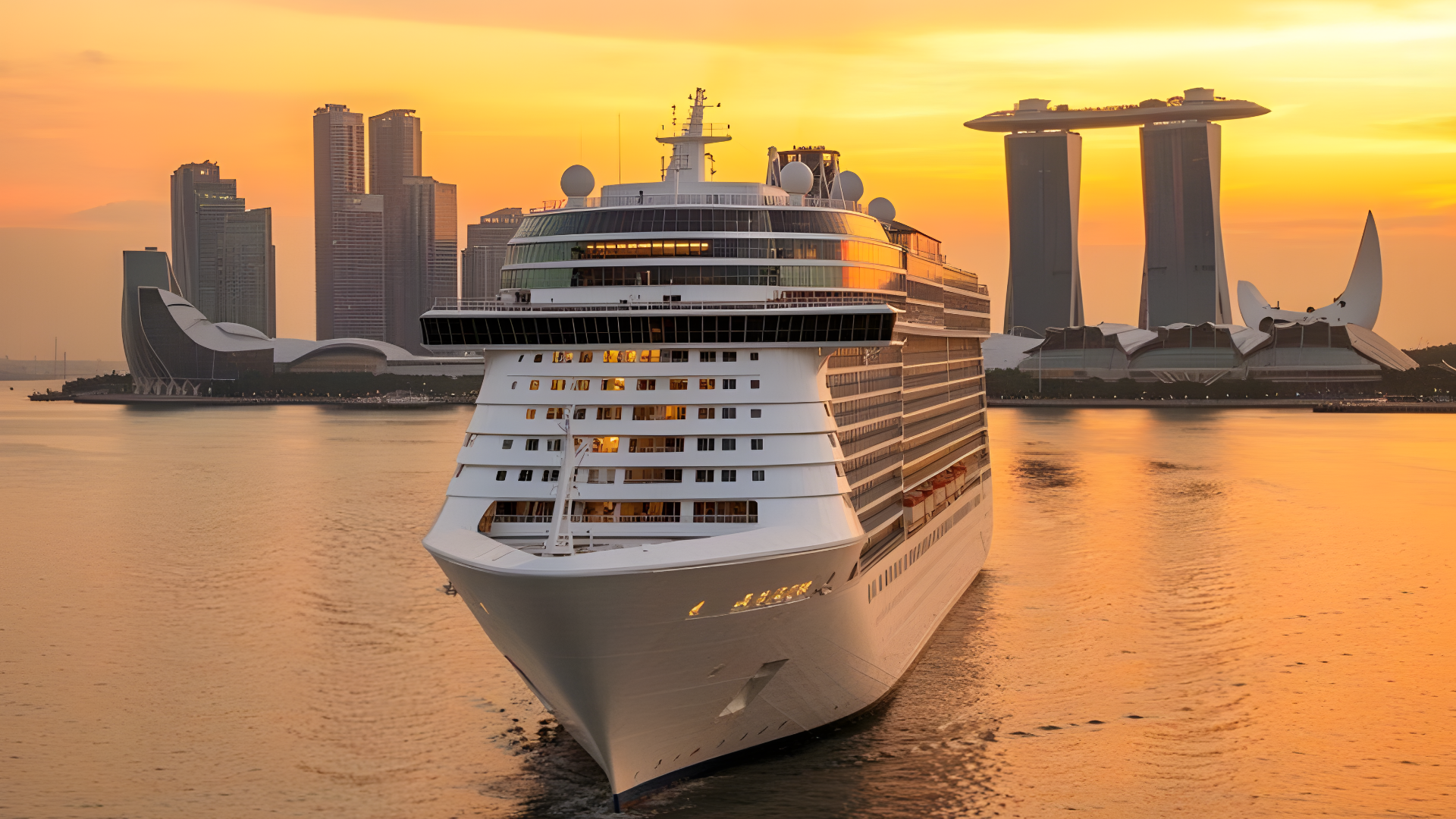
While Thailand is rapidly expanding, Singapore and Malaysia currently dominate the region’s cruise passenger market, accounting for around 70% of total passenger visits.
Singapore alone holds nearly half of the regional market share, supported by world-class port infrastructure and its status as a major international travel hub.
Malaysia also plays a significant role, benefiting from its strategic location and growing cruise-friendly destinations such as Penang and Port Klang.
The cruise tourism boom is delivering substantial economic benefits across the region.
Key contributions include:
- $4.5 billion added to regional GDP
- Support for approximately 530,000 jobs
- Around $4.1 billion in wages generated
The industry supports a wide range of sectors, including:
- Hospitality and accommodation
- Transportation and logistics
- Retail and local tourism services
- Port operations and maritime services
Countries like Indonesia and the Philippines play a major role in employment, particularly within cruise-related labor sectors.
The outlook for cruise tourism in Southeast Asia remains highly positive.
Studies show that:
- 85% of cruise passengers report positive experiences
- Nearly 47% plan to return for land-based travel
This indicates that cruise tourism is not only a standalone industry but also a gateway to broader tourism growth across the region.
Cruise operators are increasingly expanding routes across Southeast Asia, offering:
- Multi-country itineraries
- Luxury and boutique cruise experiences
- Cultural and eco-tourism-focused journeys
New routes connecting Thailand, Vietnam, Malaysia, Singapore, and Indonesia are being introduced to meet rising demand from global travelers.
This diversification is helping position the region as a “must-visit” destination for cruise tourism.
Despite strong growth, the rapid expansion of cruise tourism presents several challenges.
Experts highlight the need for:
- Improved port infrastructure
- Better environmental management
- Sustainable tourism practices
- Balanced development to protect local communities
As cruise traffic increases, governments must ensure that growth does not negatively impact ecosystems or cultural heritage sites.
With continued investment, strong demand, and strategic collaboration between governments and industry players, Southeast Asia is on track to become a dominant force in the global cruise tourism market.
Thailand’s push to become a regional hub, combined with Singapore and Malaysia’s established leadership, positions the region for sustained growth in the coming years.
As the industry evolves, Southeast Asia’s cruise tourism sector is expected to play an even greater role in driving economic development, job creation, and global travel connectivity.