KUALA LUMPUR,APRIL — The United States may be nearing a breakthrough in its ongoing conflict with Iran, after President Donald Trump claimed that Tehran has agreed to hand over its stockpile of enriched uranium as part of a potential peace agreement.
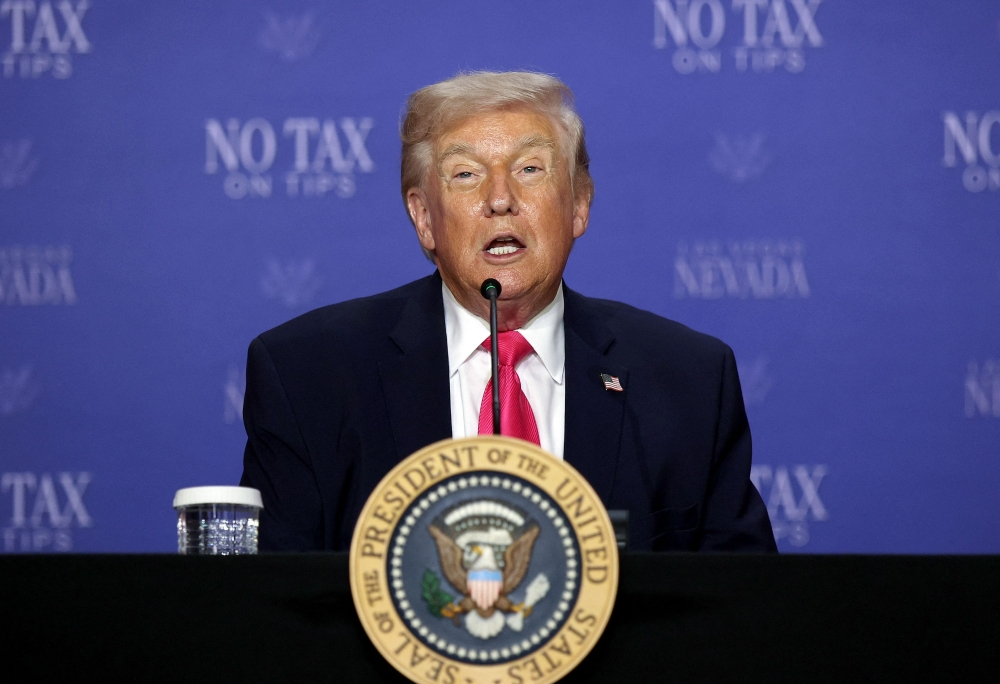
The statement, made during a recent press briefing, signals what could be a significant turning point in months of escalating tensions, military confrontation, and diplomatic negotiations between the two nations. However, the situation remains uncertain, with Iranian officials quickly disputing the claim and denying that any formal deal has been finalized.

According to Trump, Iran has shown willingness to comply with key US demands, including relinquishing enriched uranium—material that can potentially be used in nuclear weapons development.
He described the move as part of broader efforts to end hostilities and secure long-term stability in the region. In some statements, Trump referred to the uranium stockpile as “nuclear material” that would be removed or handed over under international arrangements.
However, Iranian authorities have denied that such an agreement exists, emphasizing that negotiations are still ongoing and no final commitments have been made.
This discrepancy highlights the fragile nature of current diplomatic efforts and the deep mistrust that continues to define US–Iran relations.
The latest development comes as both countries engage in intensified negotiations, reportedly mediated by regional actors including Pakistan.
Recent discussions have focused on:
- Limiting Iran’s uranium enrichment activities
- Addressing its stockpile of highly enriched uranium
- Easing economic sanctions on Iran
- Restoring stability in key global energy routes
While some progress has been reported, major disagreements remain, particularly over how long Iran should halt enrichment and what conditions would trigger sanctions relief.
The potential deal follows months of escalating tensions that saw the conflict evolve from economic sanctions into direct military confrontation.
Key developments include:
- US and allied strikes on Iranian nuclear and military facilities
- Iranian retaliation through missile and drone operations
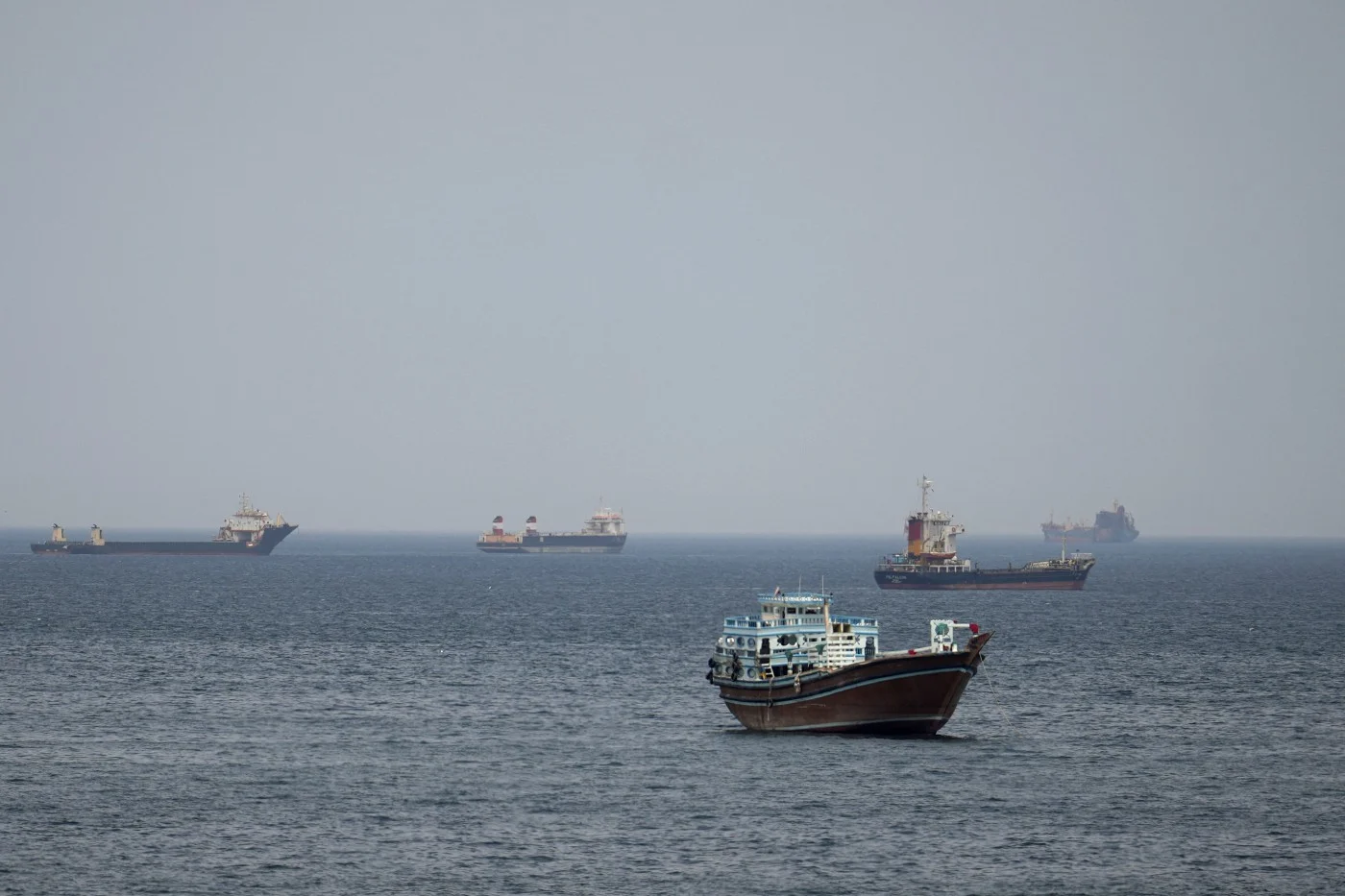
- Disruptions in the Strait of Hormuz affecting global oil supply
- A temporary ceasefire brokered to allow negotiations to continue
The US has consistently demanded that Iran fully abandon its nuclear weapons ambitions, while Iran insists on its right to pursue nuclear technology for peaceful purposes.
At the core of the negotiations is Iran’s stockpile of enriched uranium, which has long been a point of contention between Tehran and Western powers.
The United States is pushing for:
- Complete removal or transfer of enriched uranium
- Strict international monitoring
- Long-term restrictions on nuclear activity
Meanwhile, Iran has proposed more limited restrictions, including temporary caps on enrichment levels and timelines.
Experts warn that resolving this issue will be critical to achieving any lasting agreement.
A successful agreement could have far-reaching consequences, including:
- Stabilizing global oil markets
- Reducing geopolitical tensions in the Middle East
- Easing pressure on global supply chains
- Improving investor confidence worldwide
Conversely, failure to reach a deal could lead to renewed escalation, further disrupting energy markets and increasing the risk of broader conflict.
Despite optimistic signals from Washington, analysts caution that past negotiations have often been marked by conflicting narratives and unverified claims.
There are also concerns about:
- Verification of uranium transfer or reduction
- Compliance with international monitoring standards
- Long-term enforcement of any agreement
Independent confirmation from international bodies such as the International Atomic Energy Agency (IAEA) will likely be essential before any deal is considered credible.
While President Trump’s statement suggests that a breakthrough may be within reach, the lack of confirmation from Iran indicates that negotiations remain fragile and incomplete.
With both sides still divided on key issues, the coming weeks will be critical in determining whether diplomacy can succeed in ending one of the most volatile geopolitical conflicts in recent years.