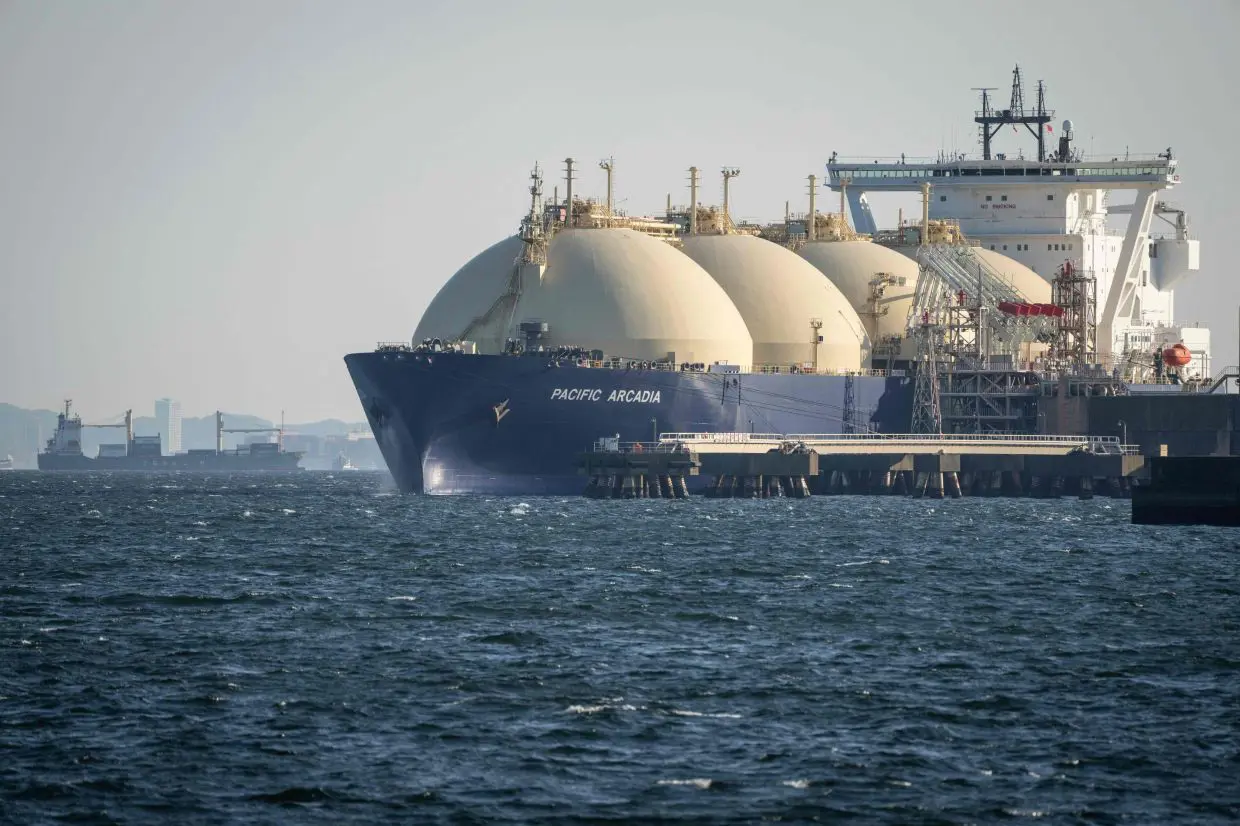
KUALA LUMPUR, April, 2026 — Singapore is stepping up efforts to secure additional liquefied natural gas (LNG) supplies as the ongoing Iran war continues to disrupt global energy markets, highlighting growing concerns over supply security across Asia.
The move comes as the conflict in the Middle East has significantly affected energy exports, particularly through the Strait of Hormuz, a critical maritime route that handles a large share of the world’s oil and gas shipments. Disruptions in this corridor have led to reduced LNG flows and increased competition among buyers, forcing countries like Singapore to act quickly to secure alternative energy sources.

Singapore, which relies heavily on imported natural gas for its electricity generation, is particularly vulnerable to supply disruptions. Around 95% of the country’s electricity is generated from natural gas, making stable LNG supply a national priority.
In response, authorities and energy buyers in Singapore have begun procuring additional LNG cargoes, including from the spot market, to ensure sufficient supply and reduce exposure to potential shortages.
The Iran war has triggered one of the most severe disruptions in global energy supply in recent history. The closure and instability around the Strait of Hormuz have significantly reduced exports from key suppliers such as Qatar, a major LNG exporter to Asia.
As a result:
- Global LNG shipments have declined sharply
- Prices in Asia have surged dramatically
- Competition for cargoes has intensified
Recent data shows LNG exports have fallen significantly, with shipments dropping around 20% at certain points due to disruptions in the Gulf region.
At the same time, damage to major LNG infrastructure and export constraints have further tightened supply, with analysts warning that disruptions could persist for years.
To mitigate risks, Singapore is taking a multi-pronged approach:
- Increasing LNG procurement from alternative global suppliers
- Expanding access to spot market cargoes
- Strengthening energy security planning
- Diversifying supply sources beyond the Middle East
The city-state’s role as a major energy trading hub also gives it some flexibility in navigating global supply shifts. However, the scale of disruption has forced even well-prepared economies to reassess their strategies.
Singapore has also explored strengthening regional cooperation and securing long-term supply agreements to reduce volatility in future crises.
The surge in LNG procurement comes at a cost. Higher global energy prices are expected to:
- Increase electricity costs domestically
- Put pressure on businesses and industries
- Contribute to broader inflation trends
The Iran war has already been described as one of the largest global energy supply disruptions in history, with significant impacts on oil and gas markets worldwide.
For Singapore, which depends almost entirely on imported energy, the economic impact is particularly sensitive, making proactive procurement essential despite rising costs.
Singapore is not alone in its response. Across Asia, countries are:
- Securing additional LNG cargoes
- Diversifying energy imports
- Revising energy policies
The region, which depends heavily on Middle Eastern energy, is among the most affected by the crisis. Disruptions in Hormuz have forced a fundamental rethink of energy security strategies across major economies.
Singapore’s move to ramp up LNG procurement underscores the growing urgency of energy security in an increasingly volatile geopolitical environment. As the Iran war continues to disrupt global supply chains, the country’s proactive approach highlights both its vulnerability and resilience.
With energy markets remaining uncertain, securing stable LNG supplies will remain a top priority—not just for Singapore, but for economies across Asia navigating the ripple effects of the crisis.