WASHINGTON, April 20, 2026 — The escalating crisis in the Strait of Hormuz is increasingly being viewed as a key pressure point for the United States, exposing how geopolitical conflict with Iran can translate into significant economic consequences for Washington.
As tensions persist between the United States and Iran, analysts say the situation has underscored a fundamental reality: while military power remains central, economic vulnerability—especially through energy markets—may ultimately shape the outcome of the conflict.

Hormuz: The World’s Most Critical Energy Chokepoint
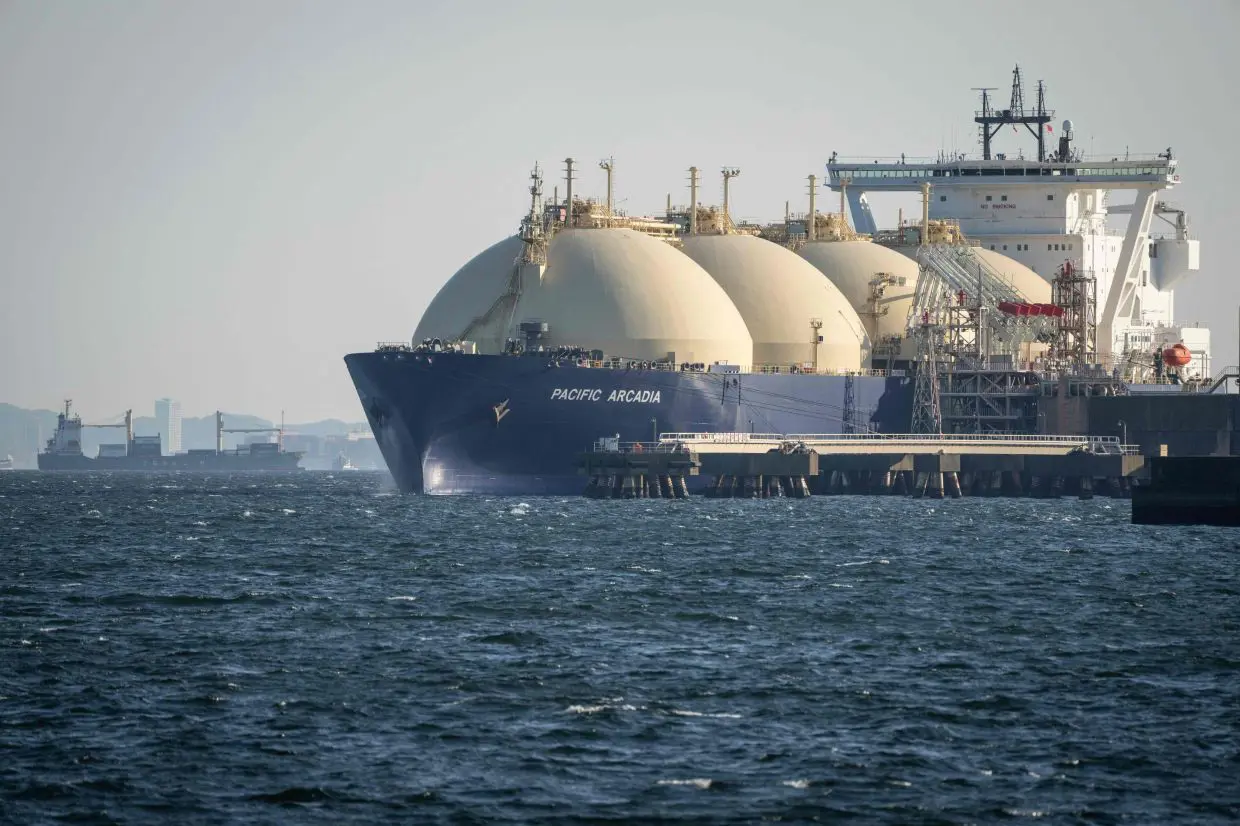
The Strait of Hormuz is one of the most important maritime corridors in the world, handling roughly:
- Around 20% of global oil supply
- Significant volumes of liquefied natural gas (LNG)
Any disruption to this narrow passage has immediate global consequences. The ongoing conflict has already caused:
- Sharp spikes in oil prices
- Supply chain disruptions
- Increased volatility in global markets
According to economic assessments, the 2026 crisis has triggered one of the largest oil supply disruptions in modern history, pushing prices above $100 per barrel and raising fears of inflation and recession.
Despite facing heavy sanctions and military pressure, Iran has demonstrated that it retains a powerful strategic tool: its ability to influence global energy flows.
By threatening or restricting access to the strait, Iran can:
- Disrupt oil exports from Gulf countries
- Drive up global energy prices
- Increase inflation in major economies, including the U.S.
Experts say this dynamic creates a form of “economic deterrence”, where even limited disruption can have outsized global impact.
The conflict has already cost the global economy billions and contributed to instability in financial markets, reinforcing how energy chokepoints can be used as geopolitical leverage.
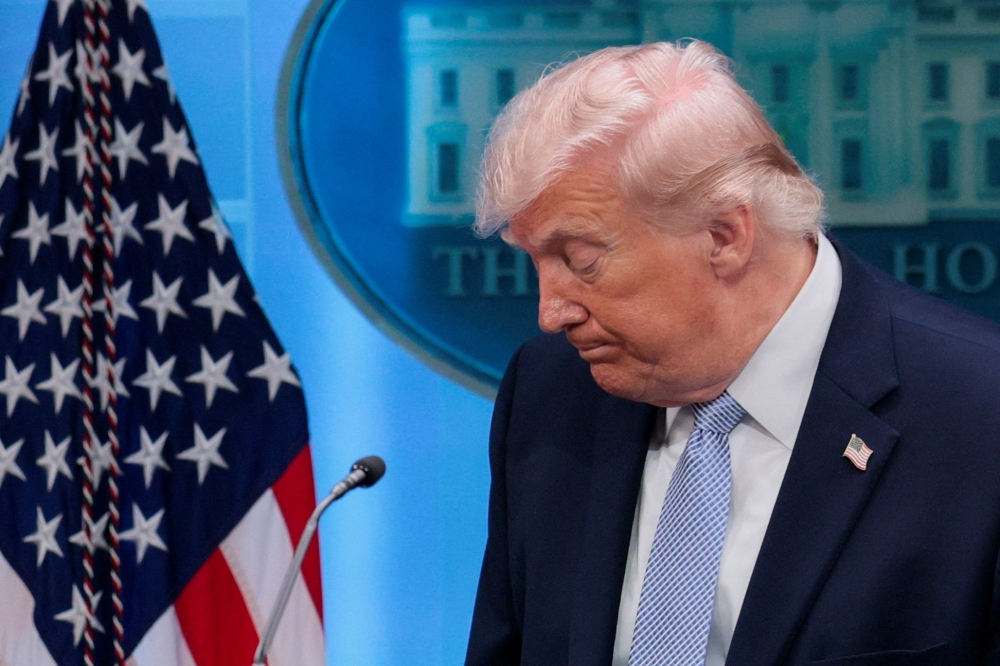
For Donald Trump, the crisis presents a complex challenge.
While the U.S. has taken aggressive measures—including naval operations and sanctions—there are limits to how much economic pain Washington can absorb domestically.
Recent analysis suggests:
- Rising oil prices can fuel inflation in the U.S.
- Higher fuel costs affect consumers and businesses
- Market volatility can weaken investor confidence
A prolonged conflict risks undermining economic stability, which is a key pillar of U.S. political and strategic strength.
According to recent reporting, the Iran conflict has highlighted the limits of Washington’s tolerance for domestic economic strain, even as it maintains pressure on Tehran.
Global Economic Ripple Effects
The Hormuz crisis is not just a regional issue—it is a global economic shock.
Key impacts include:
1. Energy Market Volatility
Oil prices have surged dramatically, reflecting fears of prolonged supply disruption.
2. Inflation Pressure Worldwide
Higher energy costs are feeding into:
- Transportation
- Food prices
- Manufacturing costs
3. Financial Market Instability
Stock markets and bond markets have experienced fluctuations as investors react to uncertainty.
4. Risk of Global Recession
Economists warn that a prolonged conflict could slow global growth and even trigger recession scenarios if energy disruptions persist.
The crisis illustrates a broader shift in modern geopolitics: economic warfare is as powerful as military confrontation.
While the United States maintains overwhelming military capabilities, Iran’s geographic position gives it leverage over:
- Critical shipping routes
- Energy supply chains
- Global economic stability
This asymmetry means that even without direct military victory, Iran can exert significant pressure through economic channels.
Although there have been temporary ceasefires and partial reopening of the strait, the situation remains highly unstable.
Recent developments show:
- Ongoing naval tensions
- Seizures of vessels
- Threats of renewed blockades
Even when the strait reopens, experts warn that restoring full oil flow could take months or longer, prolonging economic uncertainty.
The Strait of Hormuz crisis has revealed a critical strategic truth: in today’s interconnected world, economic vulnerability can be as decisive as military power.
For the United States, the conflict with Iran is no longer just a geopolitical confrontation—it is an economic test. And as long as energy markets remain exposed, the pressure point identified by analysts will continue to shape the trajectory of the crisis.