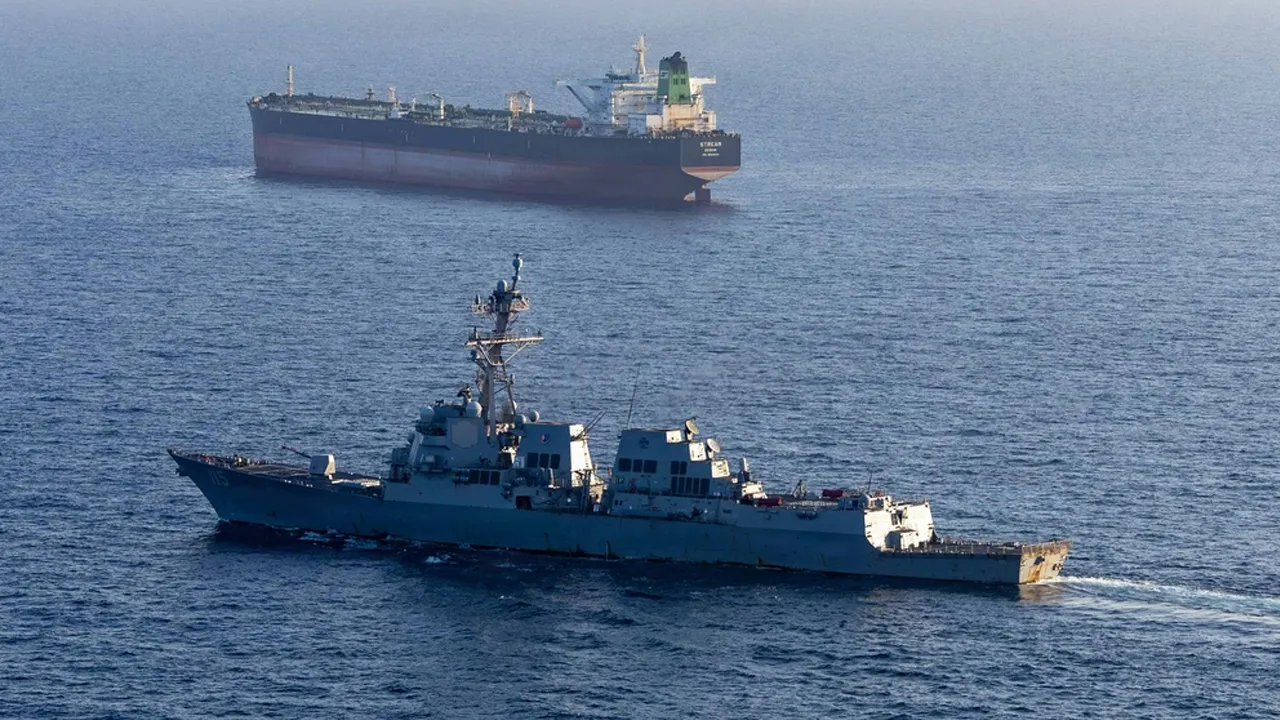
Kuala Lumpur — The Strait of Malacca has risen to become the world’s largest and busiest oil transit route, overtaking the Strait of Hormuz which is currently disrupted by geopolitical conflict.
According to data from the US Energy Information Administration (EIA), in the first half of 2025, an average of 23.2 million barrels of crude oil passed through the Strait of Malacca daily — accounting for 29% of total global oil flows.

This milestone makes the Strait of Malacca the most critical oil chokepoint in the world, surpassing the previously dominant Strait of Hormuz.
Key Factors Behind the Shift
- The closure of the Strait of Hormuz due to ongoing conflicts involving Iran has forced most oil tankers to reroute through the Strait of Malacca.
- The 900-kilometre-long strait serves as the shortest and most efficient passage connecting the Indian Ocean to the South China Sea, transporting oil from the Middle East to East Asia.
In addition to crude oil, the Strait of Malacca also handles more than 100,000 vessels per year, making it one of the most strategically important maritime routes globally.
Strategic Importance for Malaysia and the Region
Malaysia, together with Indonesia and Singapore, shares responsibility for ensuring the safety and freedom of navigation in the Strait of Malacca. This prime geographical position offers Malaysia significant economic advantages in logistics, shipping, and maritime services.
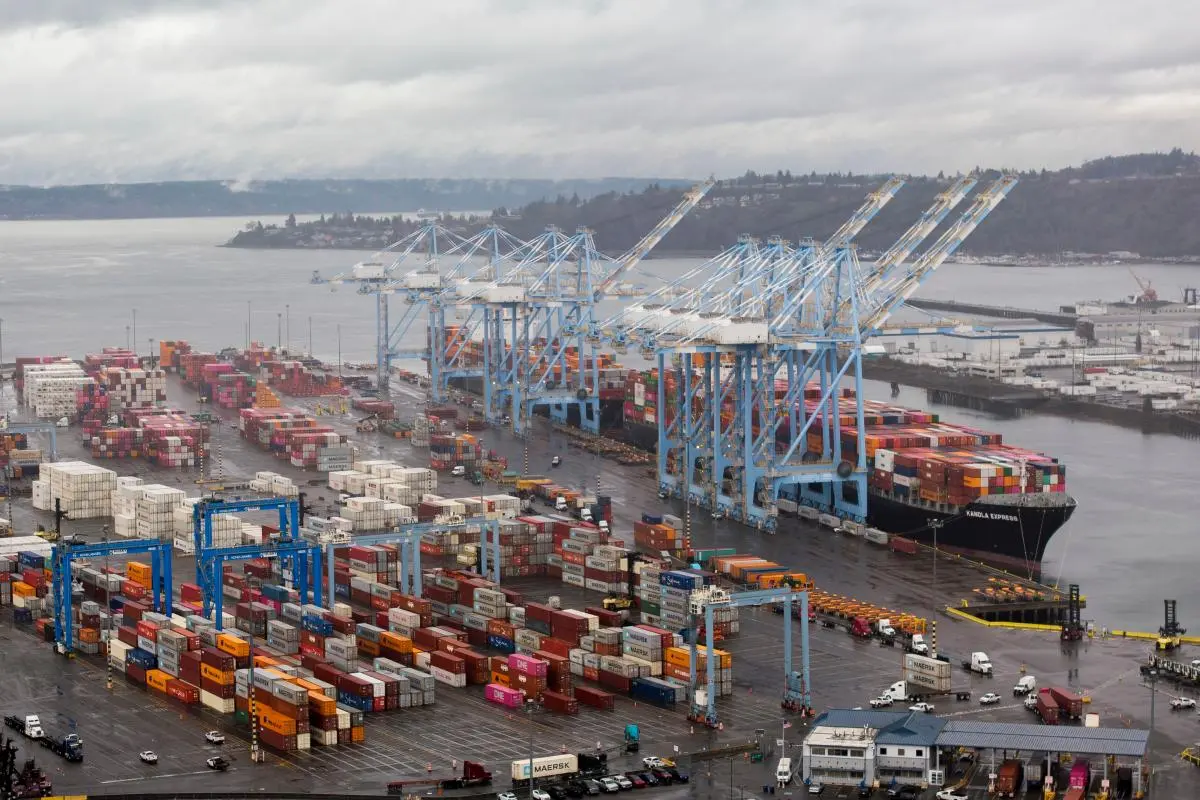
Economists predict that the surge in traffic will benefit Malaysia’s economy, particularly boosting activity at Port Klang and Tanjung Pelepas, both of which are already among the world’s top 25 busiest ports.
Challenges Ahead
While it brings opportunities, the sharp increase in vessel traffic also raises concerns over congestion, maritime security, and environmental risks such as oil spills. Regional countries are expected to strengthen cooperation to keep the strait safe and efficient.
With the Strait of Hormuz remaining unstable, the Strait of Malacca is expected to remain the main artery of global oil trade throughout 2026 and beyond.