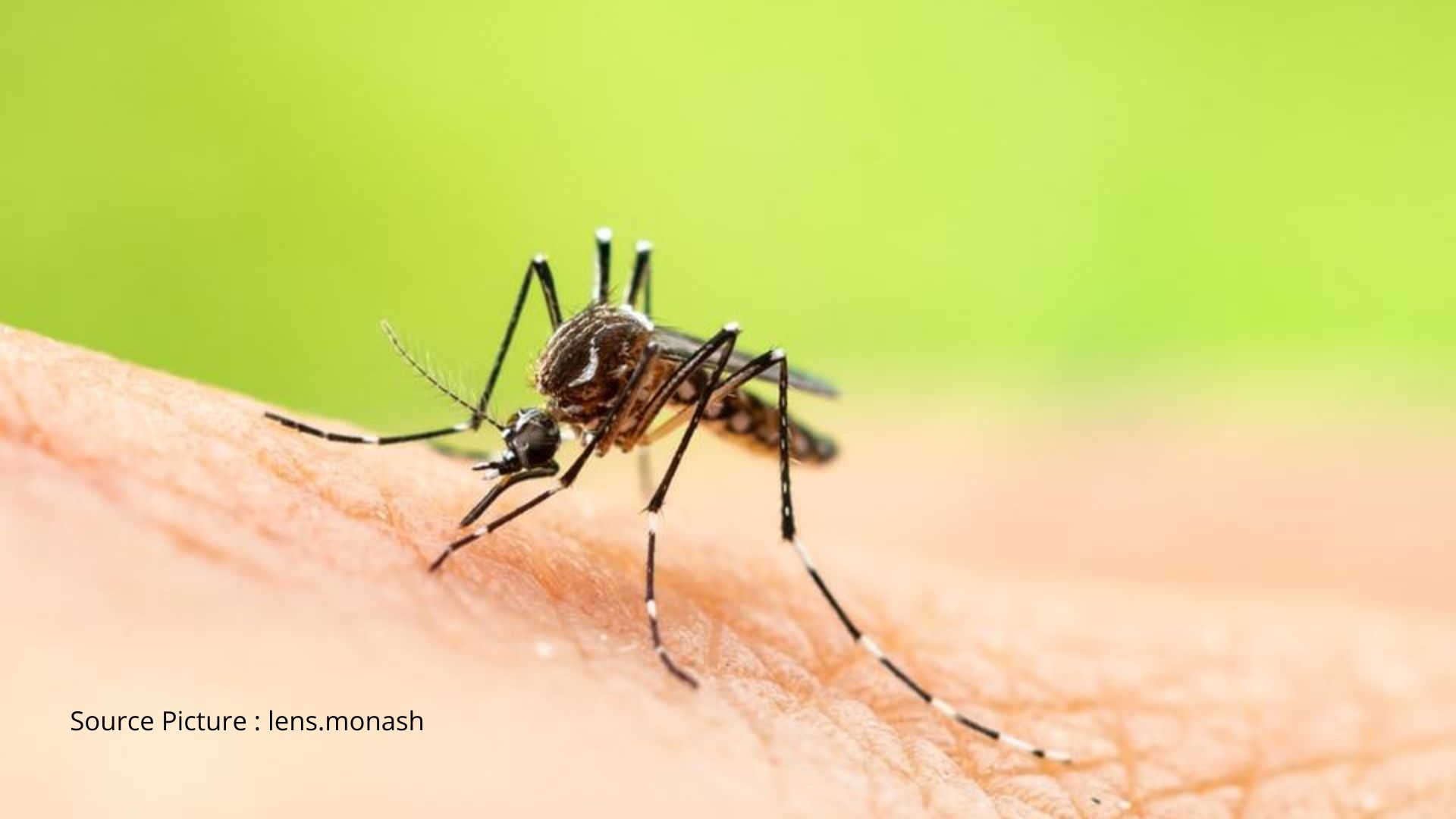
Kuala Lumpur, El Sky News – The sharp rise in Dengue Fever cases across Malaysia continues to raise concern, testing the readiness of the public health system and the effectiveness of existing vector-control strategies. Despite ongoing awareness campaigns, recent statistics indicate that this mosquito-borne “silent killer” remains a serious threat, particularly in densely populated urban and suburban areas.
Rising Anxiety in the Capital: Cases Surge Beyond Seasonal Patterns
Weekly reports from the Ministry of Health (MOH) frequently show significant increases compared to the same period last year. Alarmingly, this trend is no longer limited to the monsoon season but persists throughout the year—reflecting Malaysia’s warm, humid environment as an ideal breeding ground for Aedes aegypti and Aedes albopictus mosquitoes.

High-risk areas, especially Selangor, Johor, and the Klang Valley, remain red zones where population density and inefficient solid-waste management often create unnoticed breeding sites.
MOH’s Strategy: From Fogging to Community-Driven Action
To tackle this challenge, MOH has adopted two core approaches: Integrated Vector Management and Community Engagement.
1. Strengthening Vector Control
While fogging is still carried out in outbreak areas, MOH is shifting towards more scientific and resource-efficient methods:
Active Larval Surveillance:
Greater emphasis is placed on inspecting Aedes breeding sites and enforcing the Destruction of Disease-Bearing Insects Act 1975. Fines issued under the Act aim to educate and compel property owners to take responsibility.
Adopting New Technologies:
Pilot trials involving Wolbachia-infected mosquitoes released in selected locations show promising potential in reducing Dengue-carrying mosquito populations. This approach is seen as a proactive, long-term solution compared to reliance on chemical controls alone.
2. Community Empowerment: The Role of Every Household
MOH stresses that Dengue control will not succeed without strong community participation. Campaigns like “Search and Destroy” continue to be intensified, urging every household to spend 10 minutes weekly eliminating standing water inside and outside their homes.
“Government efforts alone are not enough,” a MOH spokesperson recently stated. “Every Dengue case begins in our own surroundings. No stagnant water means no larvae—and no mosquitoes.”
Major Urban Challenges
Despite having a structured plan, implementation in urban settings faces three major hurdles:
Public Indifference:
Many residents remain complacent, taking action only after cases emerge rather than practising prevention consistently.
Construction Sites & Abandoned Premises:
Construction areas and vacant buildings become breeding hotspots that are difficult to regulate without strong cooperation between MOH and local authorities (PBT).
High Mobility & Dense Living:
The constant movement of people in cities accelerates the spread of the Dengue virus from one locality to another, complicating efforts to break the transmission chain.
Hope for More Sustainable Control
As the country battles rising cases, attention has now turned to innovation and consistency. Whether through biological methods like Wolbachia or stricter enforcement, the fight against Dengue requires synergy—between MOH’s strong policies, rapid action from local authorities, and heightened public awareness.
Only through this collective effort can the nation hope to control this silent yet deadly threat and create safer, Dengue-free urban spaces.