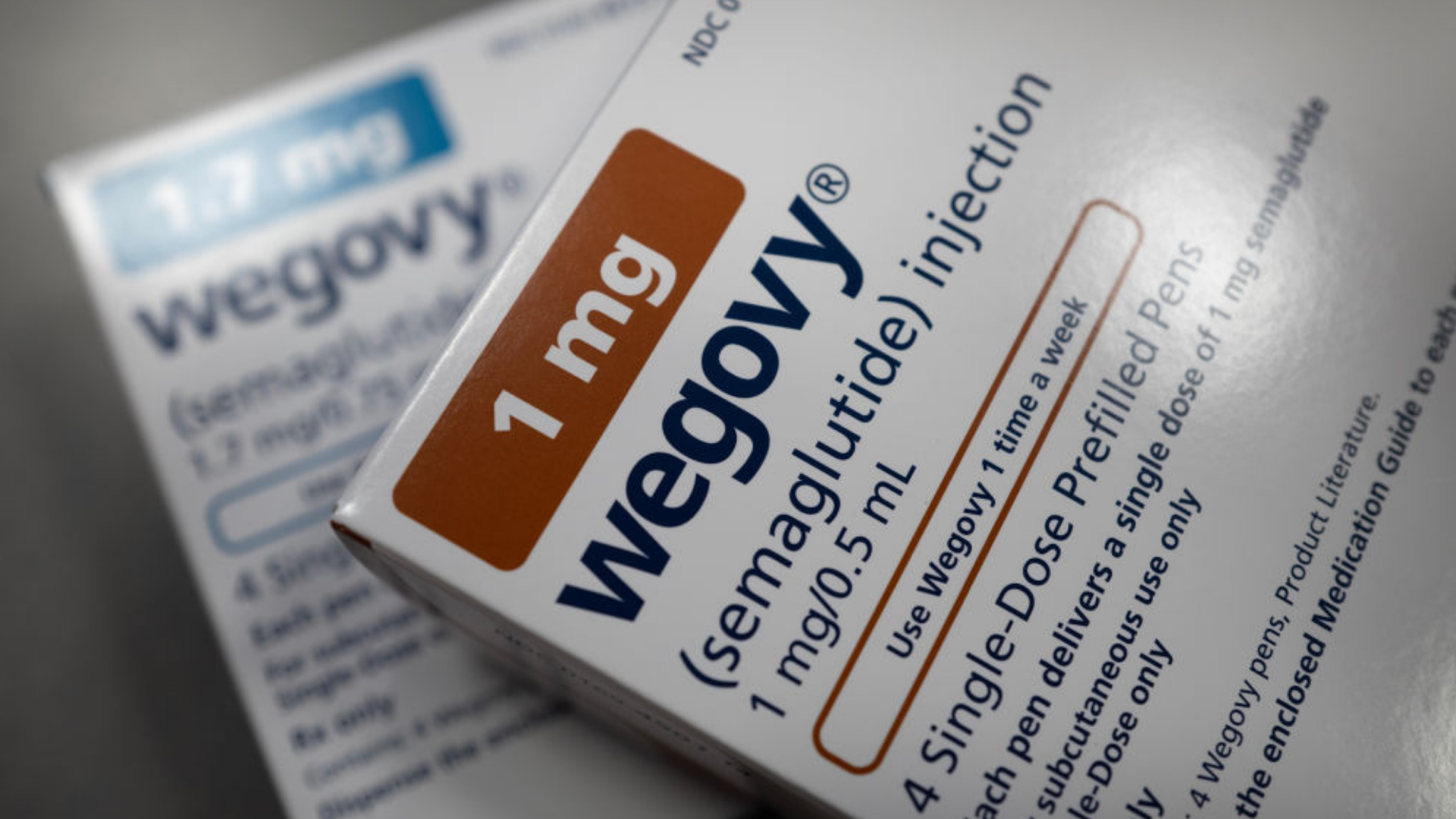
KUALA LUMPUR,APRIL — A growing number of US states are reducing or eliminating Medicaid coverage for popular GLP-1 weight-loss drugs, as surging demand and escalating costs place increasing pressure on public healthcare budgets.
Medications such as semaglutide-based treatments—widely known for their effectiveness in treating obesity and diabetes—have seen explosive growth in recent years. However, their high cost is forcing policymakers to make difficult decisions about healthcare priorities.

GLP-1 drugs have become one of the most sought-after treatments for weight loss and metabolic conditions, contributing to measurable declines in obesity rates in the United States.
However, this success comes at a steep price. National spending on these medications surged dramatically—from $13.7 billion in 2018 to $71.7 billion in 2023—placing significant strain on both public and private healthcare systems.
For state-funded Medicaid programs, which serve low-income populations, the financial burden has become increasingly difficult to sustain.
In response to rising costs, several states—including California, Pennsylvania, and South Carolina—have moved to restrict or end Medicaid coverage for GLP-1 drugs prescribed specifically for weight loss.
Other states have introduced stricter eligibility requirements, limiting access through:
- Prior authorization policies
- Medical necessity criteria
- Restrictions to diabetes-related use only
Experts note that Medicaid programs are not federally required to cover weight-loss medications, allowing states flexibility in determining coverage policies.
The policy shift has created new barriers for patients who rely on Medicaid to access treatment.
While GLP-1 drugs remain widely covered for type 2 diabetes, access for obesity treatment is far more limited. In fact, only a small number of states previously offered comprehensive coverage for weight-loss use, even before recent cuts.
For many patients, losing coverage means facing out-of-pocket costs that can exceed $900 to $1,300 per month, making treatment unaffordable.
Healthcare providers warn that this could lead to:
- Interrupted treatment plans
- Worsening obesity-related conditions
- Increased long-term healthcare costs
Medical professionals and policymakers have raised concerns that restricting access to GLP-1 drugs may have unintended consequences.
Although cutting coverage may provide short-term budget relief, experts argue that untreated obesity could lead to:
- Higher rates of chronic disease
- Increased hospitalizations
- Greater long-term healthcare spending
Some lawmakers have proposed alternative solutions, including value-based pricing models or subscription-style agreements to reduce costs while maintaining access.
At the federal level, the issue remains complex and evolving.
While some initiatives aim to expand access through negotiated pricing programs and pilot models, broader nationwide coverage for weight-loss medications under Medicaid has not been fully implemented.
In 2025, proposals to mandate wider coverage were not finalized, leaving states with discretion over whether and how to provide access.
At the same time, pilot programs and pricing negotiations are being explored to reduce costs and improve accessibility in the future.
Limited access and high prices have also led to a rise in alternative—and often unsafe—sources for GLP-1 drugs.
Officials have warned that some patients are turning to:
- Unregulated online sellers
- Compounded or counterfeit versions
- Unauthorized pharmacies
These alternatives can pose serious health risks due to inconsistent quality and lack of regulatory oversight.
The debate over GLP-1 coverage highlights a broader challenge facing healthcare systems: balancing affordability with access to innovative treatments.
While these drugs represent a breakthrough in obesity care, their high cost raises questions about sustainability within publicly funded programs.
State governments must now weigh:
- Immediate fiscal responsibility
- Long-term public health outcomes
- Equity in access to treatment
As demand for GLP-1 medications continues to grow, pressure is mounting on policymakers to find sustainable solutions that do not leave vulnerable populations behind.
The future of Medicaid coverage for these drugs will likely depend on:
- Price negotiations with pharmaceutical companies
- Federal policy direction
- Innovative payment models
For now, millions of Americans face uncertainty over access to one of the most effective weight-loss treatments available—underscoring the ongoing tension between medical innovation and healthcare affordability.