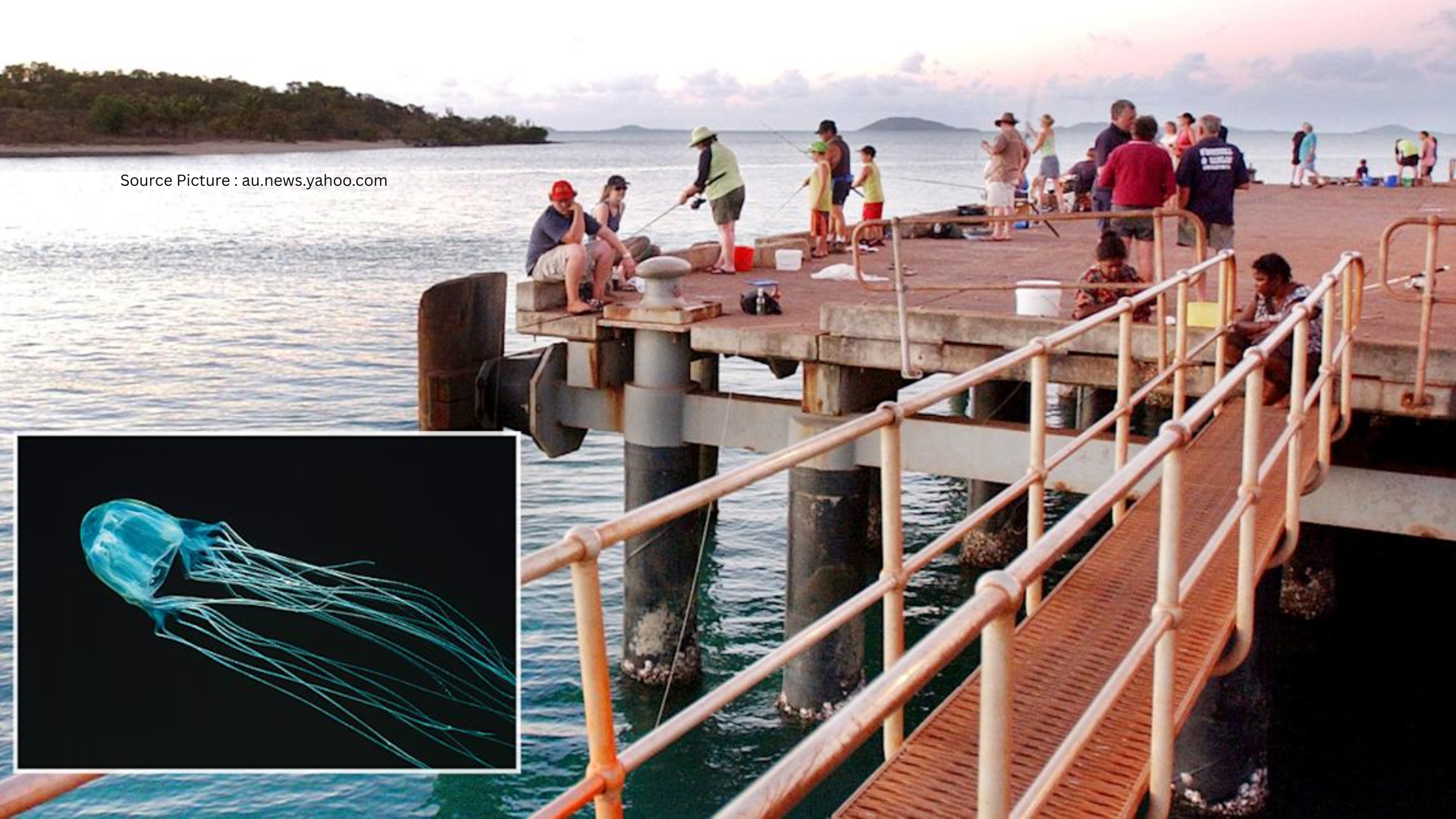
LANGKAWI, El Sky News – A holiday on Langkawi Island turned into a heartbreaking tragedy when a young Russian boy was confirmed dead several days after being stung by a highly venomous box jellyfish while playing at Pantai Chenang.
The victim, Vladimir Iakubanets, aged 2, passed away at Sultanah Bahiyah Hospital (HSB) in Alor Setar on Wednesday morning, four days after the incident occurred last Saturday evening.

Deadly Venom
The Head of the Emergency and Trauma Department at HSB confirmed that the cause of death was due to severe complications triggered by the potent toxin of the box jellyfish. The sting of this species is known to rapidly affect the nervous system and heart, making it one of the most dangerous marine creatures in the world.
According to reports, at the time of the incident, the child had been playing in shallow waters with his parents. His sudden screams of pain alerted them, and he was soon found struggling to breathe before losing consciousness.
His father, Nikita Iakubanets, attempted CPR at the scene. The victim was then rushed to Sultanah Maliha Hospital in Langkawi before being transferred to HSB for intensive care in the ICU.
A Stark Warning for Tourists
In their grief, the boy’s parents reportedly do not plan to take any legal action. Instead, they hope this tragedy serves as a strong warning to local authorities and tourists about the increasing threat of venomous jellyfish reported in Langkawi waters.
The incident has reignited calls for immediate action from Langkawi beach management authorities.
The Langkawi Tourism Association (LTA) has urged local councils (PBT) to implement stricter safety measures, including:
- Installing clear, bilingual warning signs along beaches to alert visitors about jellyfish risks.
- Setting up emergency aid stations equipped with bottles of vinegar, the crucial first-line remedy for box jellyfish stings.
Medical professionals also advise the public never to touch jellyfish tentacles, even if the creature appears dead on the beach, and to apply vinegar (not water) immediately as first aid in the event of a sting.