Kuala Lumpur, El Sky News – The name of pizza entrepreneur and influencer, Jofliam, is once again a hot topic on social media as the quality of his latest product becomes the target of criticism. This time, the main focus is on the pizza dough, which is said to not meet expectations, in addition to the issue of ‘spontaneous art’ on the packaging box that allegedly caused customer dissatisfaction.
A customer who purchased the pizza product openly expressed their disappointment. Through a viral post, the customer claimed that the quality of Jofliam’s pizza dough did not match the excitement (or Fomo – Fear of Missing Out) it generated, even comparing the texture and taste of the dough to “roti naan from a mamak stall.”

“Bought it because of Fomo, hmm it’s like eating mamak naan bread. Far different from what was advertised,” the customer wrote.
‘Heavy Art’ Controversy on the Box
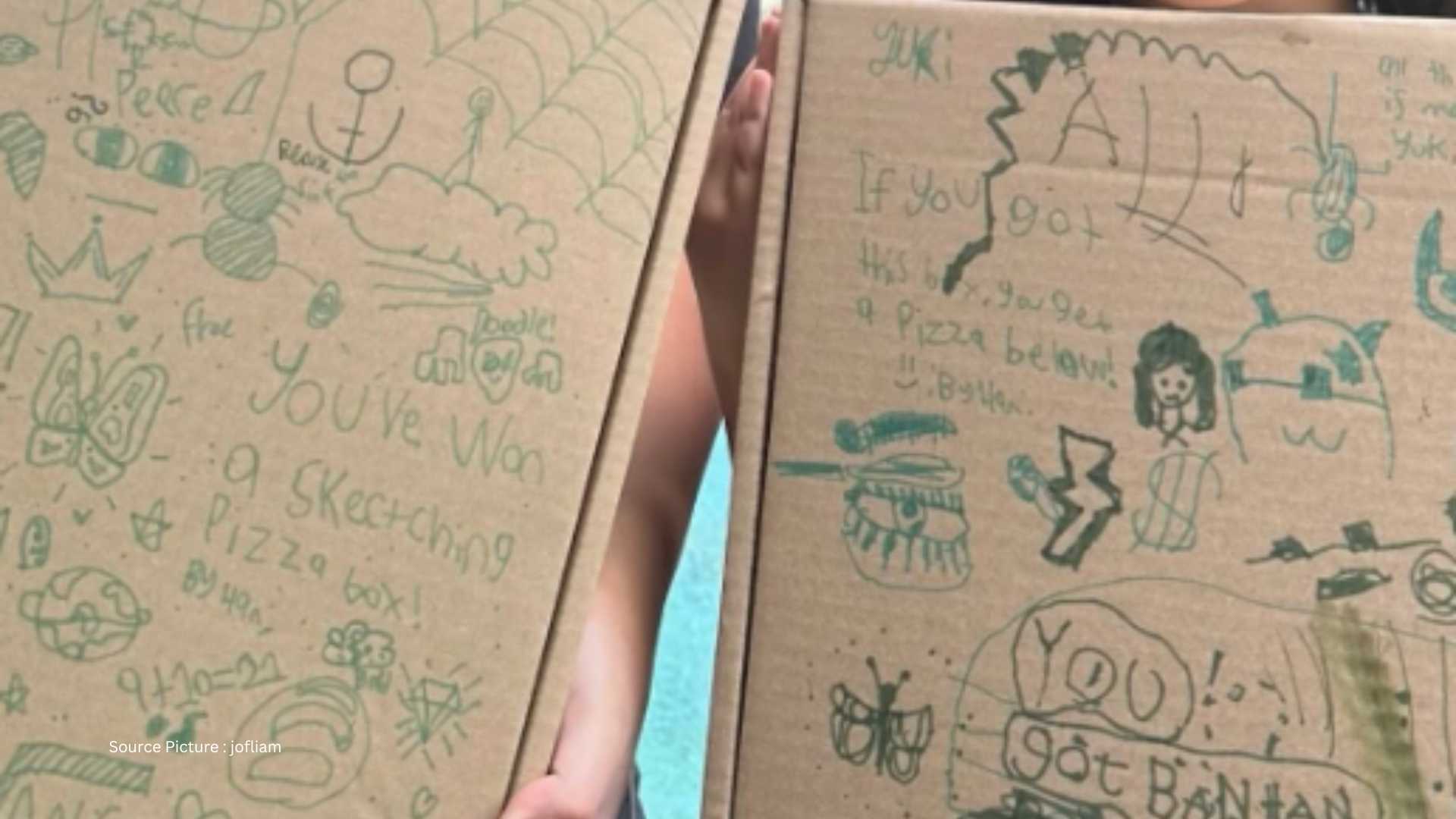
Besides the taste issue, controversy also arose regarding the pizza box received. The box was found to have doodles made with a marker pen by Jofliam’s children, which he dubbed ‘heavy art’.
While the doodles might have been intended as a personal touch or unique marketing for the RM10 pizza product, they have raised questions about the cleanliness and professionalism of the food packaging.
Many netizens commented that while creativity is welcomed, a defaced box—especially on a surface that comes into contact with food—can raise concerns about food hygiene and safety.
Social media users urged Jofliam to be more mindful of cleanliness standards and business ethics within the food industry.
Recurring Issues and Quality Demands
This incident adds to a string of criticisms Jofliam has faced before, including issues with the high price of his wagyu pizza and claims about ingredients used. Although Jofliam often asserts that the pizza dough is 100 per cent handmade by him and that he constantly strives to improve product quality, this latest customer complaint indicates that the quality issue remains a primary concern for consumers.
Netizens’ reactions generally emphasize that in the food business, product quality must go hand-in-hand with the marketing that is done. Consumers have the right to receive a product that lives up to its promise, especially when the brand is widely promoted by influencers on social media.
The question remains: Can this pizza entrepreneur improve public perception and convince customers that his product quality is truly premium, or will this ‘heavy art’ continue to burden his brand’s reputation?