KUALA LUMPUR, El Sky News – The Ministry of Education Malaysia (MOE) is now actively progressing through the final phase of implementing the review of the primary and secondary school curriculum, known as the School Curriculum 2027 (KP2027). This strategic initiative is viewed as the biggest paradigm shift in the nation’s education landscape, aiming to liberate the system from a purely examination-oriented framework towards a more holistic and globally competitive student development model.
The Minister of Education, in a media statement, asserted that KP2027 is not just a syllabus change but a new philosophy that provides fresh impetus to the way learning and assessment are conducted in schools.

Holistic Education as the Core Focus
The main focus of KP2027 is ensuring the balanced development of students, encompassing academic, emotional, physical, and spiritual aspects. Strengthening these characteristics is seen as critical in producing a generation that is not only intellectually excellent but also mature and possesses a strong self-identity (jati diri).
“We want our children not only to get A’s, but to be able to think critically, empathize, and possess high resilience in facing future challenges,” said the Minister.
Competency-Based Learning
One of the key pillars of KP2027 is the transition to Competency-Based Learning. This model emphasizes the mastery of specific skills or competencies, as opposed to a heavy focus on the memorization of content and facts.
The new curriculum will integrate important elements practiced in advanced education systems, including:
- Problem-Solving Skills: Students are exposed to real-world situations that require the application of knowledge across subjects.
- Critical Thinking: Encouraging students to question, analyze, and form logical and thoughtful arguments.
- Effective Communication: Ensuring students can convey ideas verbally and in writing clearly and confidently.
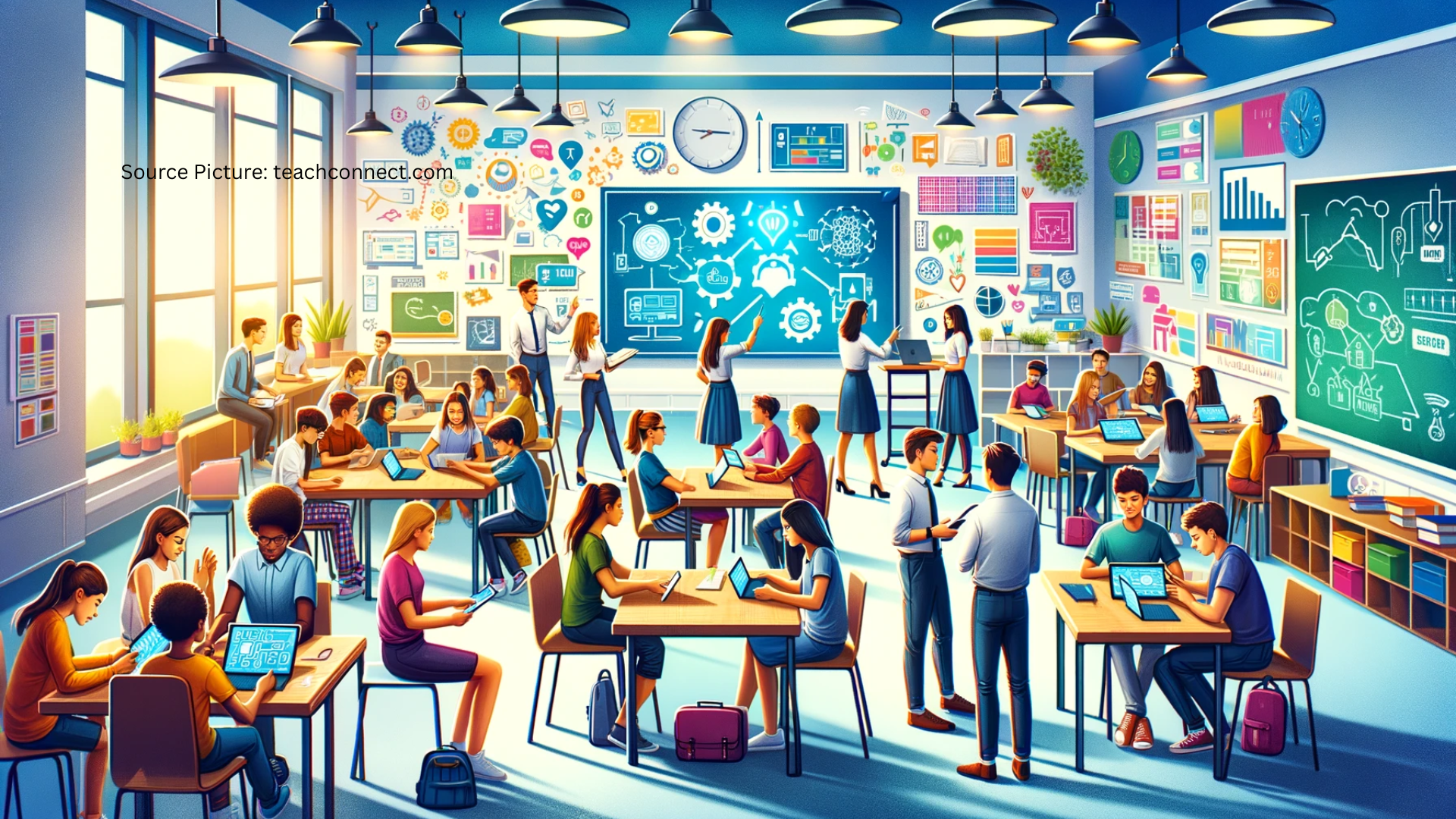
This shift will directly transform the Teaching and Learning (PdP) methodology in the classroom, favoring collaborative activities and Project-Based Learning.
Character and Self-Identity Empowerment
KP2027 also places significant emphasis on Character Empowerment through core subjects such as History, Moral Education, and Islamic Education. The focus is on instilling deep civic values, awareness of national identity, and fostering empathy among students.
The reinforcement of this element aims to ensure school graduates possess high integrity, are responsible, and are capable of contributing positively to Malaysia’s diverse society.
Reduction of Examination Pressure
In line with the holistic objective, KP2027 is also expected to see formative assessment and School-Based Assessment (PBS) take on a more dominant role. This is a continuous effort to reduce the pressure of public examinations, allowing students to enjoy the learning process without being constrained solely by the pressure of marks.
The implementation of KP2027 is expected to be carried out in stages starting next year, with intensive briefing and teacher training sessions actively underway to ensure the readiness of all stakeholders.
The MOE calls upon all parents, teachers, and the community to understand and support this curriculum reform in order to produce Malaysia’s “Golden Generation,” who are more balanced and competitive in the global arena.
(Leakim Otid)