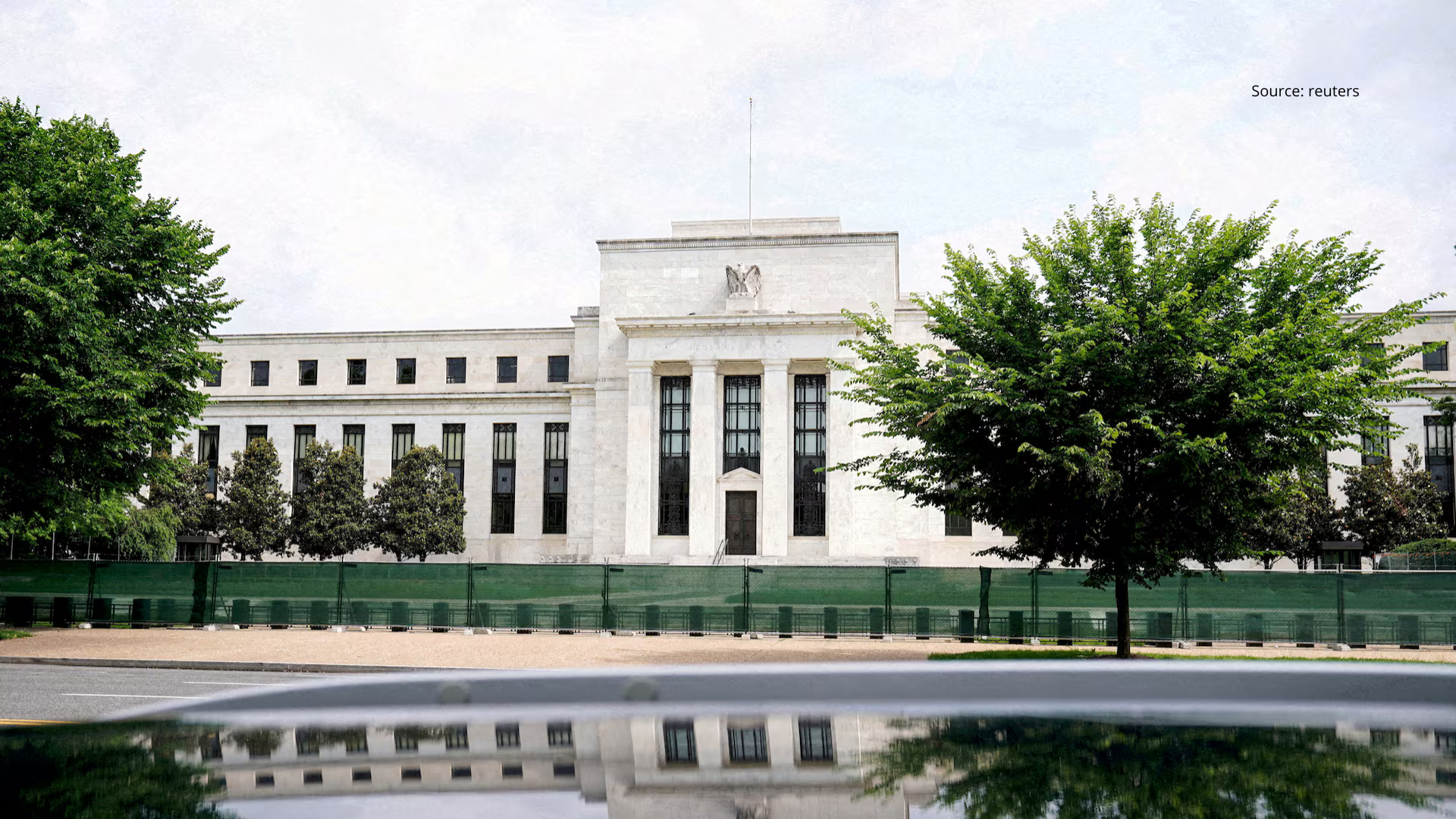
Global, El Sky News – Major central banks across the world, including the U.S. Federal Reserve, the Bank of England (BoE), and the European Central Bank (ECB), have jointly announced a sweeping round of monetary easing in December 2025. The move represents the largest coordinated policy shift in more than a decade, signaling a clear departure from the aggressive tightening cycle that followed the global inflation surge.
Policy Background

The decision comes amid growing concerns over a global economic slowdown, weakening industrial output, softening consumer demand, and rising recession risks across both advanced and emerging economies. Recent economic indicators point to declining manufacturing activity, slower job creation, and mounting financial pressure caused by prolonged high borrowing costs.
The U.S. Federal Reserve cut its benchmark interest rate for the first time since its aggressive hiking cycle began in 2022. The Bank of England and the European Central Bank followed suit, lowering interest rates and signaling that accommodative policies are likely to remain in place in the coming months.
Scale and Global Impact
Economists describe the scale of this easing as the most significant since the 2008–2009 global financial crisis. Beyond developed economies, central banks in Asia, Latin America, and Africa have also implemented rate cuts to stabilize currencies, support domestic investment, and protect economic growth.
Global financial markets reacted positively. Major stock indices rose, bond yields declined, and emerging market currencies showed signs of stabilization after months of pressure driven by a strong U.S. dollar.
Official Statements and Expert Views
In its statement, the Federal Reserve said the policy shift aims to “maintain balance between price stability and sustainable economic growth.” The ECB highlighted the need for continued monetary support amid geopolitical uncertainty and slowing global trade.
Analysts view the move as a strategic pivot from prioritizing inflation control toward safeguarding economic growth. However, they caution that overly aggressive easing could reignite inflationary pressures and fuel asset bubbles in the long term.
Looking ahead, the trajectory of global monetary policy will depend heavily on inflation trends, labor market conditions, and geopolitical developments. Central banks are expected to remain flexible, with further easing possible in 2026 should economic pressures persist.
The coordinated action underscores a new phase in the global economic cycle one defined by the challenge of stimulating growth while managing long-term financial risks.
(Lunar)