MOGADISHU / JERUSALEM, El Sky News – A significant shift in the geopolitical landscape of East Africa has triggered a wave of security concerns following Israel’s formal recognition of Somaliland as a sovereign state. The announcement, made by Israeli Prime Minister Benjamin Netanyahu late last week, marks a historic diplomatic milestone but has simultaneously drawn a sharp and aggressive response from the regional militant group, Al-Shabaab.
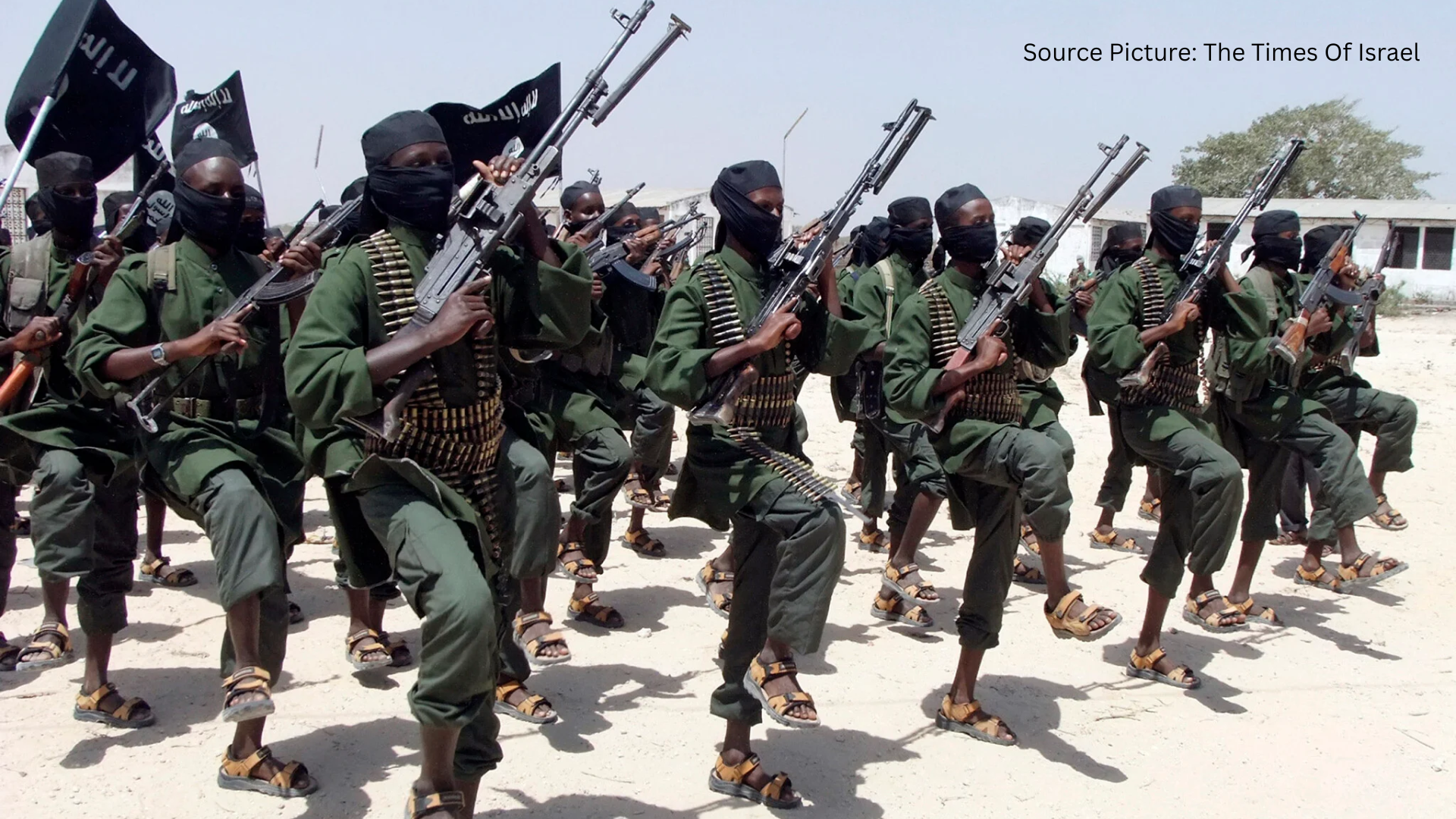
In a publicized statement released over the weekend, Al-Shabaab declared its intent to oppose the burgeoning relationship, framing the diplomatic recognition as a provocation. The group’s leadership has vowed to target any Israeli interests or assets established within the region, effectively adding a new layer of complexity to the security challenges in the Horn of Africa.

A Historic and Strategic Move The recognition by Israel makes it the first United Nations member state to formally acknowledge Somaliland’s independence since it broke away from Somalia in 1991. Prime Minister Netanyahu described the move as an extension of the Abraham Accords philosophy, aiming to foster new partnerships across the Islamic world and Africa.
Key elements of the diplomatic agreement include:
- Establishment of Full Ties: Plans for reciprocal embassies and high-level diplomatic missions.
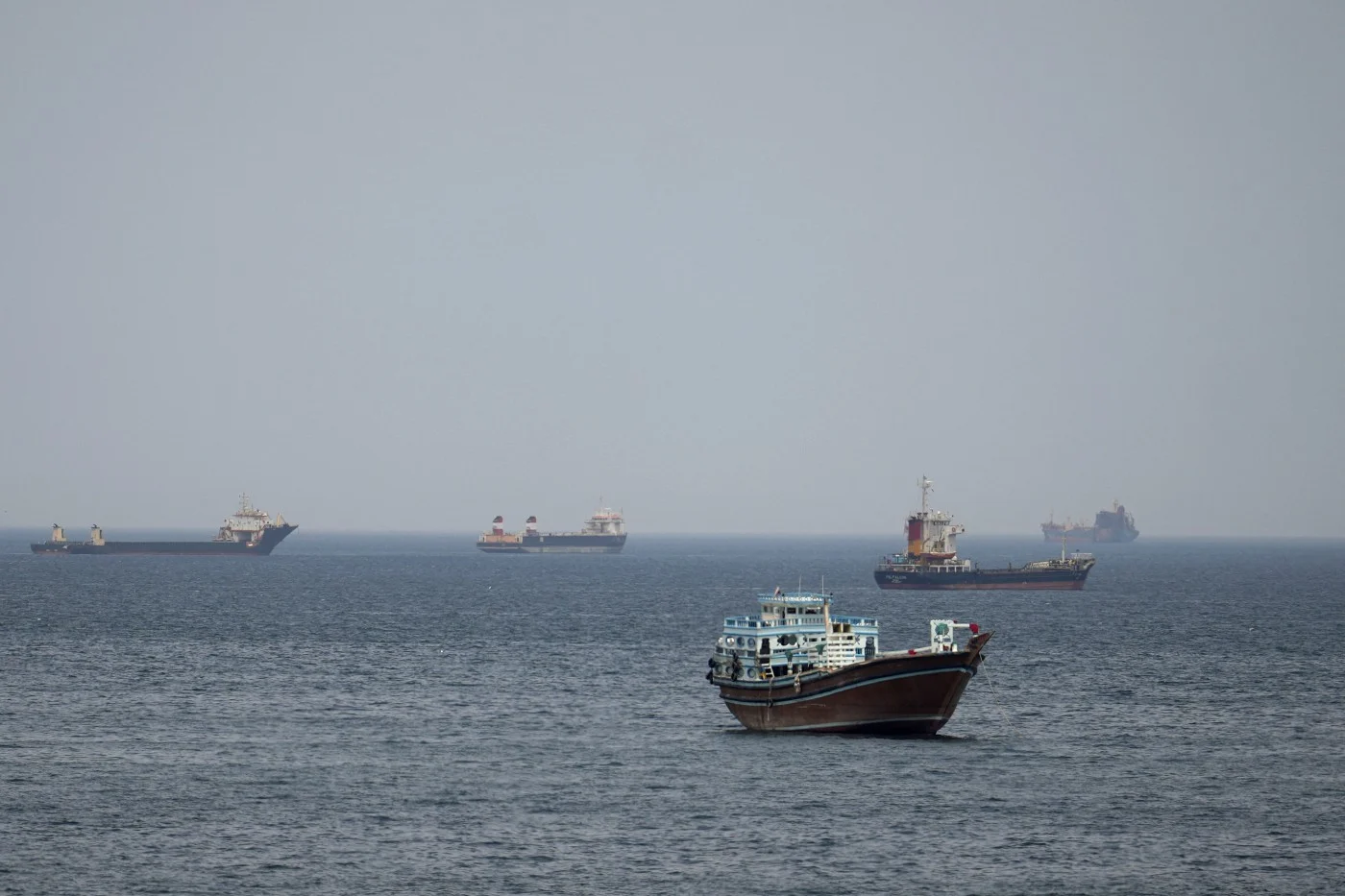
- Maritime Cooperation: Potential collaboration on securing trade routes in the Gulf of Aden.
- Economic Investment: Discussions on agricultural and technological exchange to boost Somaliland’s local economy.
Security Escalation and Regional Tensions The threat from Al-Shabaab has prompted immediate security reviews in Hargeisa (Somaliland’s capital) and Mogadishu. The group, which has long fought the central government in Somalia, is now pivoting its rhetoric toward what it terms “foreign interference.”
The situation is further complicated by reactions from other regional actors:
- The Houthi Response: Leaders of the Houthi movement in Yemen have also voiced opposition, suggesting that an Israeli presence in Somaliland could impact the security dynamics of the Red Sea.
- Somalia’s Position: The federal government of Somalia remains firm in its stance, condemning the recognition as a violation of its territorial integrity and international law.
A Professional and Balanced Outlook While the headlines focus on the friction, diplomatic analysts suggest that the recognition could also open doors for much-needed infrastructure development in Somaliland. “This is a high-stakes diplomatic gamble,” noted an international relations expert. “The goal is to bring Somaliland into the global fold, but it requires a very delicate balance of security and diplomacy to prevent the region from becoming a proxy battleground.”
International observers, including the African Union, have called for a “friendly and constructive dialogue” between all parties involved to ensure that these diplomatic shifts lead to long-term stability rather than increased hostility.
The Role of Global Powers The international community remains divided on the issue. While Israel has taken the lead, other major powers, including the United States, have reiterated their commitment to a “One Somalia” policy, seeking to maintain balance in the volatile region.
As Somaliland prepares to welcome its first official diplomatic visitors from Jerusalem, the world watches closely. The coming weeks will be a critical test of whether high-level diplomacy can withstand the pressures of regional extremism and lead to a new era of cooperation in East Africa.
(Leakim Otid)