TEHRAN / TEL AVIV, El Sky News – The geopolitical situation in the Middle East has entered a complex and critical phase today, December 30, 2025, following a series of high-level statements from both Iranian and Israeli leadership. Tehran has issued claims suggesting a broader confrontation involving Western interests, while Israel has reported facing simultaneous security challenges from multiple directions across the region.
The exchange of rhetoric marks a significant moment in regional dynamics, prompting international observers and diplomatic bodies to call for restraint and a renewed focus on de-escalation.

Tehran Claims Expansion of Conflict Dynamics In an official address today, Iranian officials characterized the current state of regional tensions as more than a localized dispute. The statement alleged that the logistical and intelligence support provided by Western nations has shifted the nature of the engagement. Tehran maintains that it is now responding to a collective strategic apparatus, framing the situation as a confrontation that extends beyond regional borders.
Israel Cites Defensive Operations on ‘All Sides’ Simultaneously, the Israeli government has underscored the scale of the security environment it is currently navigating. Describing the situation as an unprecedented defensive effort, Israeli officials stated that the nation is monitoring threats originating from several fronts, including various regional actors in the north, south, and east.
“We are currently in a state of high vigilance, addressing challenges that are appearing from every side,” a defense spokesperson noted during a briefing. “Our priority remains the protection of our territorial integrity and the safety of our civilian population amidst these multi-directional pressures.”
Global Impact and Diplomatic Responses The synchronized escalation has led to immediate repercussions in international markets and diplomatic circles:
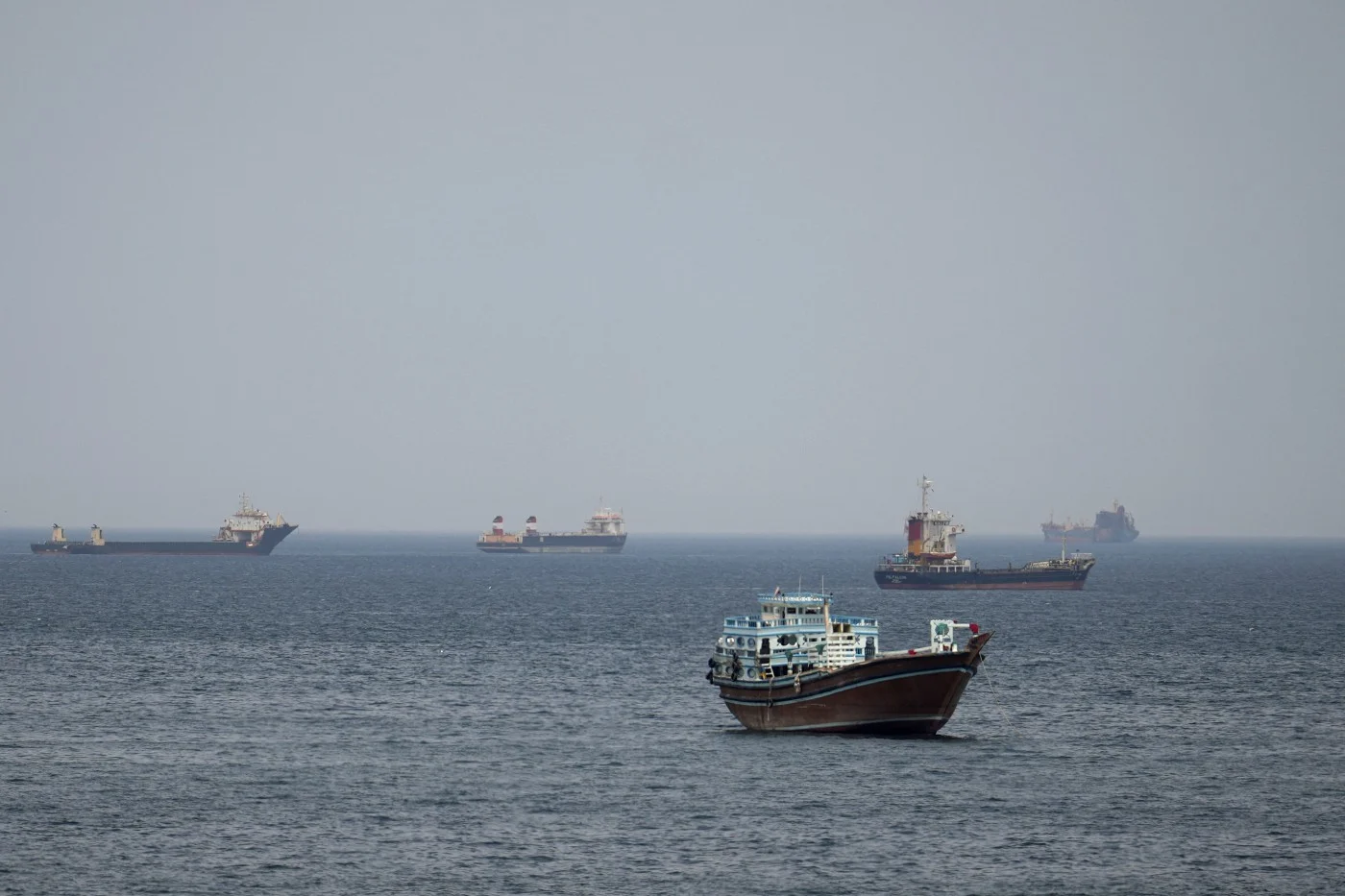
- Energy Market Sensitivity: Concerns over the stability of maritime routes, particularly in the Strait of Hormuz, have caused a slight uptick in global oil price volatility.
- UN Emergency Briefing: The United Nations is reportedly preparing an emergency briefing to address the humanitarian concerns and to urge all parties to prioritize diplomatic channels over military rhetoric.
- Regional Mediation: Several neighboring nations have stepped forward as “friendly mediators,” offering to host dialogues aimed at cooling the current “boiling point” and preventing a wider regional spillover.
A Vision for Stability Despite the intensity of the current claims, there is a strong undercurrent of international effort directed toward a peaceful resolution. Diplomatic analysts suggest that the emphasis on “fighting on all sides” and “Western involvement” is a clear signal that the conflict has reached a stage where global intervention is necessary to secure a long-term ceasefire.
“The goal for the international community is to move away from the rhetoric of total war and toward a framework of sustainable security,” said a senior fellow at a global security think tank. “A friendly, diplomatic approach is the only way to safeguard the lives of millions across the Middle East.”
Looking Ahead As the situation remains fluid, global news agencies are keeping a close watch on the official responses from Washington, London, and Brussels. The consensus among the international community remains clear: the path to safety lies in communication and the de-escalation of hostilities to ensure that the region—and the global economy—remains resilient.
(Leakim Otid)