KUALA LUMPUR – The Ministry of Health (MOH) has ramped up health screenings at all International Entry Points (PMA) as a precautionary measure following reports of a Nipah virus outbreak in West Bengal, India.
In a statement released today, the ministry emphasized that continuous surveillance will be prioritized, particularly for travelers arriving from high-risk regions. This heightened alert includes rigorous on-ground monitoring and the strengthening of national laboratory capacities to ensure early detection of any potential cases.

Preparedness and Prevention
While Malaysia has not recorded a single case of the Nipah virus since the major outbreak in 1999, the ministry remains vigilant against the risk of cross-border transmission.
“Health facilities have been placed on high alert, with a focus on Infection Prevention and Control (IPC) practices. We are also enhancing cross-sector collaboration to prevent any resurgence of the disease in the country,” the statement read.
As part of the “One Health” approach, the MOH is working closely with the Department of Veterinary Services (DVS) and the Department of Wildlife and National Parks (Perhilitan) to monitor local animal populations. To date, no traces of the virus have been detected in domestic or wild animals within Malaysia.
Advice for Travelers
The public, especially those traveling to high-risk areas, are advised to:
- Maintain high standards of personal hygiene.
- Avoid direct contact with sick animals or consuming products that may be contaminated.
- Monitor their health status closely upon return.
Travelers who feel unwell are urged to seek immediate medical attention at the nearest health facility.
Understanding the Nipah Virus
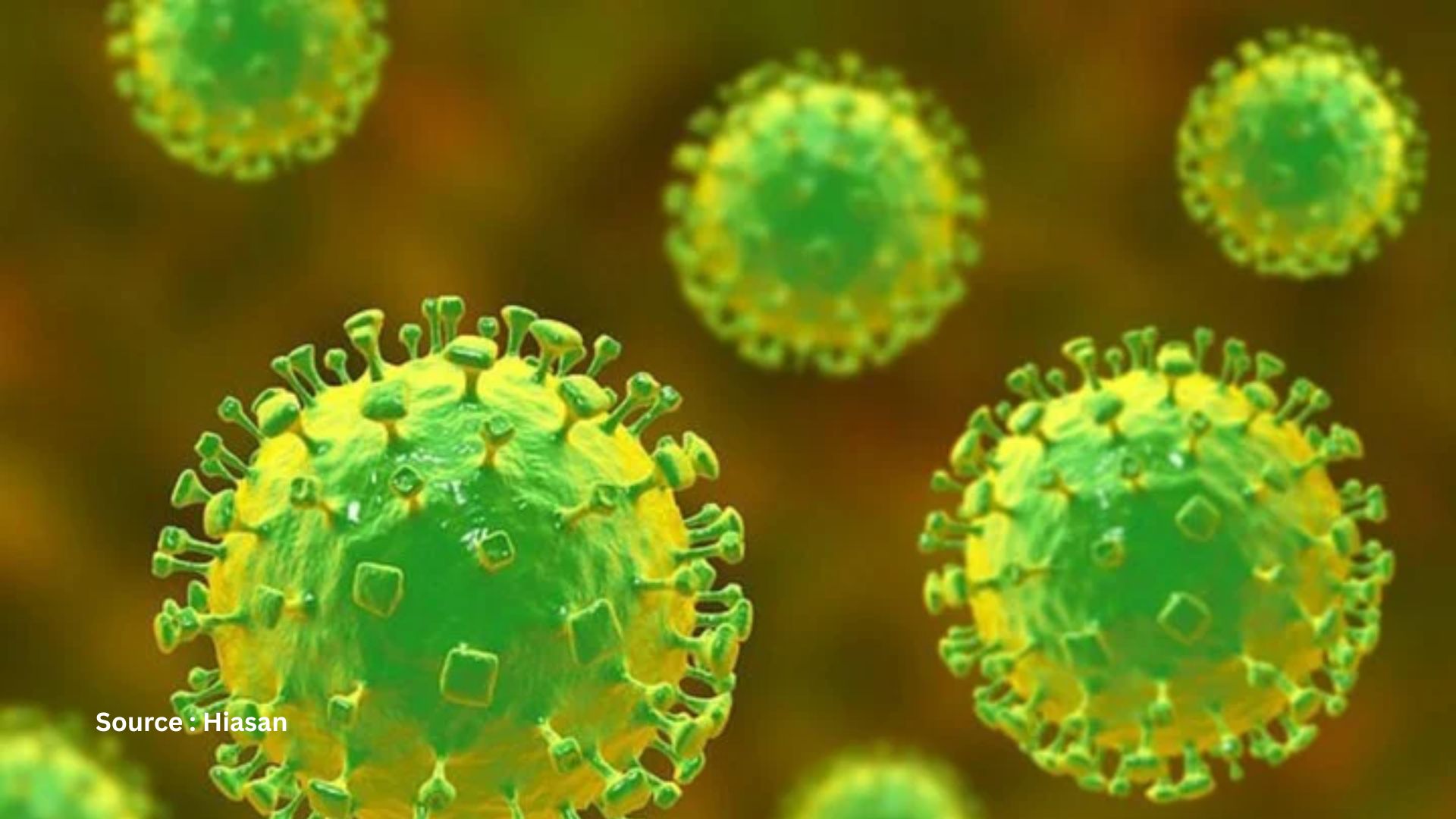
The Nipah virus is a zoonotic infectious disease primarily carried by fruit bats (flying foxes). It can be transmitted to humans through direct contact with the bodily fluids of infected animals—such as saliva or blood—consumption of contaminated food, or close contact with an infected person.
Symptoms typically appear within five to 14 days of exposure and include fever, headache, vomiting, and respiratory distress. In severe cases, patients may experience encephalitis (brain inflammation) and seizures. The virus is highly lethal, with a mortality rate ranging between 40% and 75%.
Under the Prevention and Control of Infectious Diseases Act 1988 (Act 342), the Nipah virus is classified as a mandatory reportable disease in Malaysia.