Tesla avoids 30-day California sales ban after dropping ‘Autopilot’ in marketing
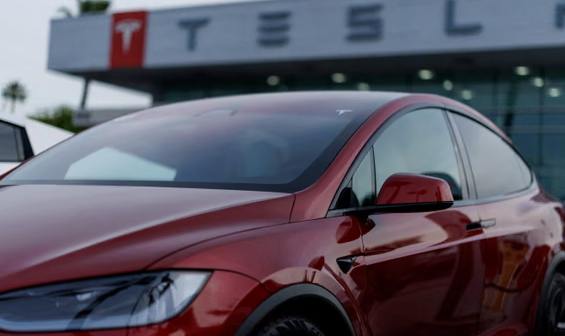
Tesla has successfully avoided a threatened 30-day suspension of its dealer and manufacturer licenses in California by complying with a regulatory order to stop using the term “Autopilot” in its advertising and promotional materials. Regulators with the California Department of Motor Vehicles (DMV) confirmed on Tuesday that Tesla’s corrective actions satisfied concerns about misleading marketing claims.
In a significant shift, Tesla will no longer use “Autopilot” to market its vehicles in the state, a branding move that had become synonymous with the company’s advanced driver-assistance systems but that the DMV found could give consumers the false impression of autonomous driving capability. The change allows Tesla to continue selling and manufacturing vehicles in California without interruption.

Regulatory background & legal dispute
This development brings to an end a dispute that stretches back nearly three years, beginning in 2022, when the DMV accused Tesla of misleading consumers by advertising its driver-assistance systems — particularly “Autopilot” and “Full Self-Driving” (FSD) — in ways that implied the cars could operate without active human supervision.
In December 2025, an administrative law judge sided with the DMV, ruling that Tesla’s use of these terms violated California consumer protection laws and recommending a 30-day suspension of the company’s sales and manufacturing licenses unless corrective steps were taken.
The DMV then gave Tesla a window to comply with its order, requiring the company to adjust how it described its technology. If Tesla did not stop using the “Autopilot” name, the suspension would move forward.
Corrective actions & outcomes
To comply, Tesla took several major steps:
- Stopped using the term “Autopilot” in vehicle marketing in California.
- Had already earlier changed “Full Self-Driving” to “Full Self-Driving (Supervised)” to clarify that driver oversight is required.
After these changes, the DMV said the company had taken the required corrective action, and regulators chose not to enforce the sales suspension. As a result, Tesla’s ability to sell EVs in its largest U.S. market remains intact.
The DMV emphasized its commitment to consumer protection and clarity in advertising, stating that the revised marketing now complies with state law.
Industry and business context
The regulatory dispute comes as Tesla grapples with broader challenges in the EV market. Demand has softened following the expiration of key EV tax incentives, and the company has been pivoting parts of its business toward robotaxi technology and humanoid robots under CEO Elon Musk’s strategy.
California accounts for a significant share of Tesla’s U.S. sales and operations — including major manufacturing hubs — making the outcome especially crucial for the automaker’s business in North America.