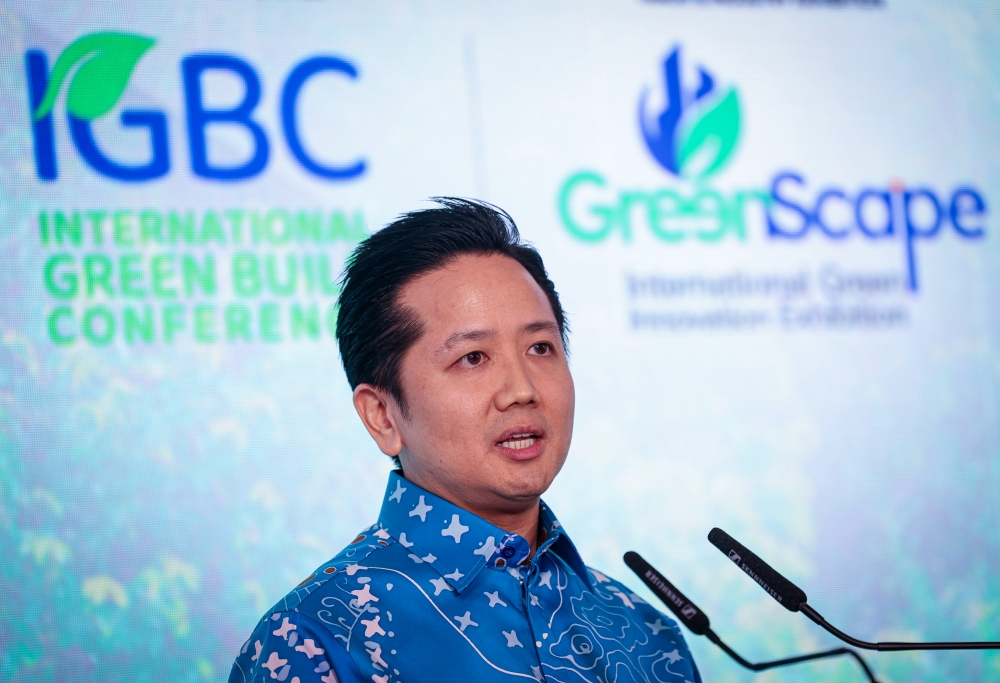
KUALA LUMPUR, Feb 27, 2026 — Malaysia’s Cabinet is awaiting a legal report from the Attorney-General’s Chambers (AGC) before deciding whether to establish a Royal Commission of Inquiry (RCI) into alleged claims that corporate benefits were improperly received or conferred in connection with the Malaysian Anti-Corruption Commission (MACC), Communications Minister Fahmi Fadzil said on Friday.
Addressing reporters, Fahmi said that while certain claims have circulated publicly and been raised in Parliament, the Cabinet is not yet in a position to determine whether an RCI should be formed until the AGC provides a detailed assessment of the case and whether existing legal avenues are sufficient or an RCI is warranted.

“Once we have the AGC’s report detailing the legal position and recommendations, the Cabinet will deliberate and decide on the appropriate course of action,” Fahmi said. He emphasised that the AGC’s legal opinion is crucial to ensuring that any step taken aligns with constitutional requirements, established procedures and the rule of law.
The matter first gained traction following allegations that individuals connected to corporate entities and possibly MACC officers were involved in benefiting from or facilitating corporate advantages, raising questions of potential misconduct or conflict of interest within enforcement processes. Public scrutiny and calls for transparency have grown in recent weeks, prompting parliamentary questions and media attention.
When asked whether the issues were serious enough to warrant an RCI, Fahmi reiterated that the government must first consider formal legal advice. “An RCI is a serious instrument that should be pursued based on objective criteria, not speculation,” he said, adding that the AGC’s position will help guide the Cabinet’s decision.
Observers say that while RCIs have been used in Malaysia to investigate high-profile national matters in the past, they are typically established only when evidence suggests systemic issues that cannot be adequately addressed by regular judicial or administrative processes.
Fahmi also acknowledged public concerns about anticorruption integrity and stressed that the government remains committed to upholding transparency, accountability and good governance. However, he cautioned against premature conclusions before the AGC’s report is tabled.
The AGC is expected to complete its review and submit its findings to the Cabinet in the coming weeks. Once received, the matter will be discussed at the next Cabinet meeting, with ministers and legal advisers providing input before a final decision on an RCI is made.
Transparency advocates have responded cautiously, saying that while due process is important, swift action based on evidence is necessary to preserve public confidence in anticorruption institutions. They have urged the government to make the AGC’s report public once decisions are made, to demonstrate accountability and restore trust.
In Parliament earlier this month, lawmakers from various parties raised questions about the perception of corporate-related benefits tied to enforcement agencies — highlighting the need for clarity on the scope of investigations and the legal basis for any inquiry.
As Malaysia continues to grapple with issues of governance and anticorruption efforts, the timing and outcome of the AGC report may influence broader debates on institutional integrity, institutional checks and balances, and the role of public inquiries in strengthening democratic accountability.