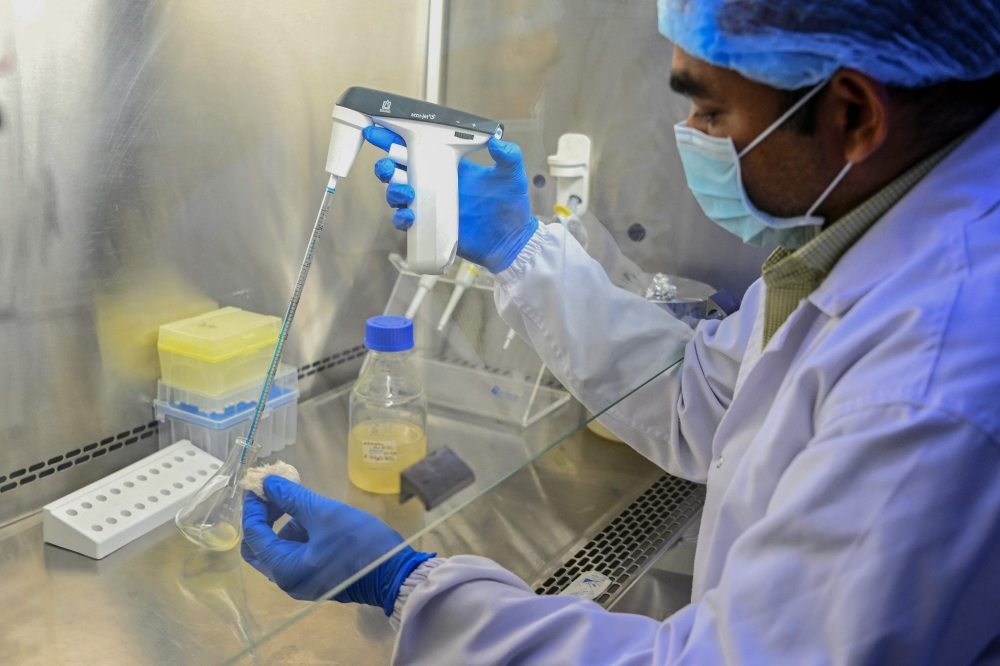
NEW DELHI, Feb 28, 2026 — India has entered the final stage of clinical trials for a promising single-dose dengue vaccine, health officials said on Friday, as the country contends with a surge in dengue fever cases across multiple states.
The vaccine — developed through collaborative efforts by Indian research institutions — aims to protect against all four serotypes of the dengue virus, a major challenge that has hindered previous vaccine efforts. Unlike some existing dengue vaccines that require multiple doses or are limited in use to people with prior infection, the new candidate is designed to be safe and effective with a single injection, making it easier to administer widely.

Dengue outbreaks have intensified in recent years across tropical and subtropical regions due to climate change, urbanisation, and increased mosquito breeding habitats. India has recorded thousands of cases in early 2026, with several states reporting spikes that put pressure on hospital services and public health resources.
Health authorities have described the vaccine’s advancement into late-stage trials as a potentially transformative moment in the fight against dengue — a disease that afflicts an estimated 100 million people globally each year and can cause severe illness and death. The single-dose approach, if proven successful, could significantly boost vaccination uptake, especially in remote and densely populated regions where completing multi-dose regimens can be difficult.
The vaccine will undergo rigorous evaluation to assess its safety, efficacy, immune response durability, and potential side effects among volunteers in diverse demographic groups. Final trial results are expected later in the year, paving the way for potential regulatory approval and subsequent mass rollout should the vaccine meet required benchmarks.
Experts say that a single-dose vaccine would represent a major advantage in public health strategy, as it could reduce logistical burdens, lower costs, and simplify immunisation campaigns — especially during seasonal peaks of mosquito activity. The ease of a one-shot regimen could also overcome compliance challenges that have limited the success of multi-dose vaccines in the past.
Health officials emphasise that, until a vaccine becomes widely available, traditional dengue prevention measures remain critical. These include vector control tactics like eliminating mosquito breeding sites, community clean-up drives, indoor insecticide use, and early clinical intervention for suspected dengue cases.
India’s entry into the final vaccine trial stage mirrors a global push to strengthen tools against vector-borne diseases, including dengue, malaria, and chikungunya. If global partners and regulatory agencies green-light the new vaccine, it could bolster international efforts to curb dengue transmission in Asia, Latin America, Africa and beyond.
The World Health Organization (WHO) has previously highlighted dengue as a high-priority target for vaccine development due to its rapid spread and the absence of universally effective, easily deployable immunisation solutions. A successful single-dose vaccine could be a game changer — particularly in countries with endemic dengue transmission and limited healthcare infrastructure.