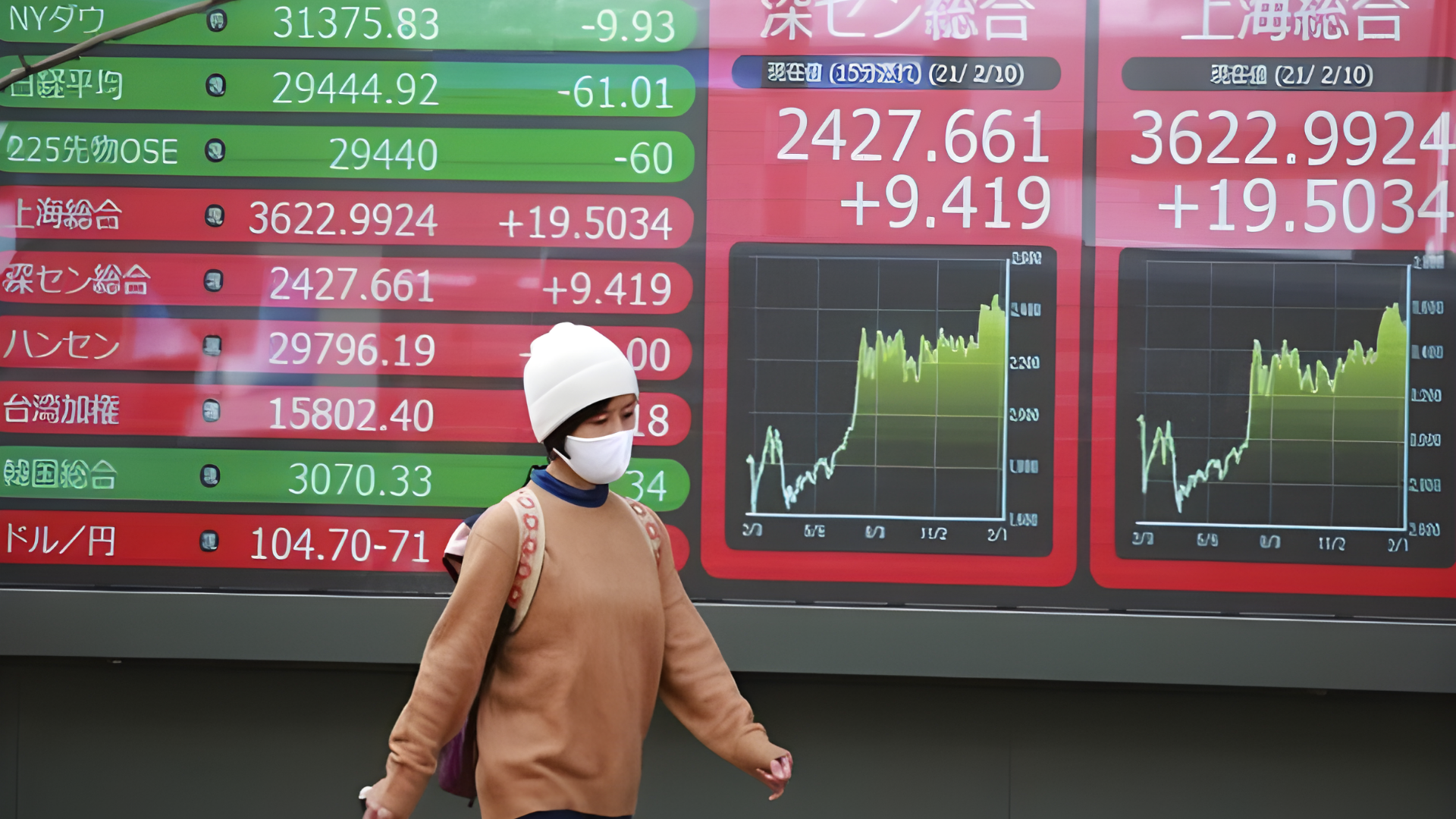
TOKYO, March 2 — Oil prices surged in Asia on Monday amid heightened geopolitical tensions in the Middle East following military strikes by the United States and Israel on Iran. In early trade, the price of Brent crude oil climbed to just above US$80 per barrel, compared to last Friday’s closing level of around US$72.87, before easing slightly.
Brent, the international benchmark for crude, had already experienced gains in the run‑up to the strikes that began over the weekend. The resulting turmoil has raised concerns over the security of maritime transport through the Strait of Hormuz, a critical chokepoint that accounts for around 20% of global oil supply flows. While some vessels from China and Iran have reportedly continued to navigate the route, many shipping companies have suspended regular transit due to rising risk and prohibitive insurance costs.

Market analysts say the disruption to the shipping corridor has significantly heightened fears of potential supply losses. Amena Bakr, head of Middle East and OPEC+ research at energy analysts Kpler, noted that prohibitive insurance costs have effectively restricted movement and could push prices higher. In this context, she predicted that oil could reach US$90 per barrel, with the possibility of crossing US$100 per barrel if the situation persists.
Strategic shipping analysts also highlighted broader supply risks. Jorge Leon of Rystad Energy pointed out that even if alternative infrastructure were used, the net loss of supply could be 8 to 10 million barrels per day — a significant shortfall that existing reserves might not fully offset.
The potential for rising prices also reflects concerns that elevated energy costs could feed through to consumer markets. Higher oil prices typically translate into increased gasoline prices, elevated transport costs, and broader inflationary pressures affecting both households and businesses globally.
Economists have stressed that longstanding strategic petroleum reserves — such as those maintained by OECD member countries — may provide temporary relief. However, sustained or prolonged closures of critical routes like the Strait of Hormuz would place unprecedented pressure on global crude supplies and markets, making price levels above US$100 per barrel not just possible but increasingly likely as uncertainty continues.
The last time crude prices climbed above US$100 per barrel was in the early days of the 2022 Ukraine conflict, when energy markets faced similar geopolitical shocks. Back then, elevated oil and gas prices added significantly to inflationary pressures in major economies. Analysts caution that a similar pattern could emerge if current tensions are not de‑escalated in the coming days.