


Kuala Lumpur — Global crude oil prices jumped nearly 6% today after fresh violence broke out in the Strait of Hormuz, raising serious doubts over the fragile ceasefire between the United States and Iran.
Market data shows Brent crude — the global oil benchmark — surged as high as $114.44 per barrel on Monday before easing slightly to $113.54 this morning. The spike followed reports that US forces destroyed six Iranian small boats in response to attacks on commercial vessels, while the United Arab Emirates also reported missile and drone strikes from Iran.

An Iranian military source, however, denied the US claims, calling them “fabricated”.
Situation in the Strait of Hormuz
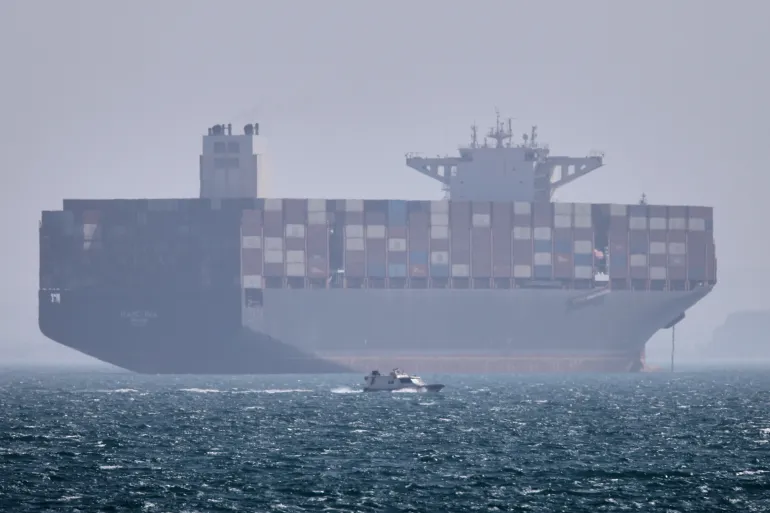
The Strait of Hormuz is a critical chokepoint that normally carries about 20% of the world’s oil supply. Recent violence has brought maritime traffic to a near standstill, with around 20,000 seafarers trapped on approximately 2,000 vessels, according to the International Maritime Organization (IMO).
US President Donald Trump announced “Project Freedom” yesterday, stating that American forces would “escort” commercial ships through the strait. However, many shipping companies remain hesitant due to ongoing safety concerns. Only two US-flagged commercial vessels have successfully crossed so far.
Stephen Cotton, General Secretary of the International Transport Workers’ Federation (ITF), stressed:
“Freedom of navigation must be restored in accordance with international law, but it must be done in a coordinated, transparent manner that prioritises the safety of seafarers.”
Global Impact
Oil market analyst June Goh from Sparta Singapore said the market is now pricing in the risk of further damage to oil infrastructure and the possibility that the strait could remain disrupted longer than the Trump administration expects.
Brent prices have risen more than 50% since the conflict began in late February. Daily global oil supply shortfall is estimated at 14.5 million barrels. Even if a peace deal is reached, analysts expect prices to remain elevated due to backlog of cargoes, damaged infrastructure, and the need to clear Iranian mines.
UN Secretary-General António Guterres called for the immediate restoration of freedom of navigation, warning that the closure is “blocking shipments of oil, gas, fertiliser and other critical goods,” thereby “strangling the global economy.”
Market Outlook Analysts warn that prices could climb even higher as countries begin drawing down their strategic reserves. OECD inventory reports already show a sharp decline.
The situation continues to be closely monitored, as any further escalation could have severe consequences for the world economy — including higher petrol prices and increased cost of living in Malaysia and other oil-importing nations.





