KUALA LUMPUR — China has announced a new set of measures aimed at strengthening ties with Taiwan, following a rare and politically significant visit by a delegation from the Kuomintang (KMT) to Beijing. The move signals a renewed effort by Beijing to expand cross-strait engagement through economic incentives, cultural exchanges, and increased people-to-people connectivity.
The announcement comes at a time when relations between China and Taiwan remain tense, with limited official communication between Beijing and Taiwan’s current ruling administration. By engaging with the opposition KMT, China appears to be exploring alternative channels to rebuild influence and foster cooperation.

Chinese authorities outlined a series of initiatives designed to improve interaction and economic exchange between the two sides. These include easing travel restrictions, expanding direct flight routes, and facilitating greater market access for Taiwanese agricultural and fishery products.
In addition, China is expected to allow broader access for Taiwanese media and entertainment content within the mainland, as well as encourage educational, cultural, and youth exchange programmes aimed at strengthening long-term connections between communities on both sides of the Taiwan Strait.
Officials said the measures are intended to create tangible economic benefits while also promoting stability in cross-strait relations through increased engagement.
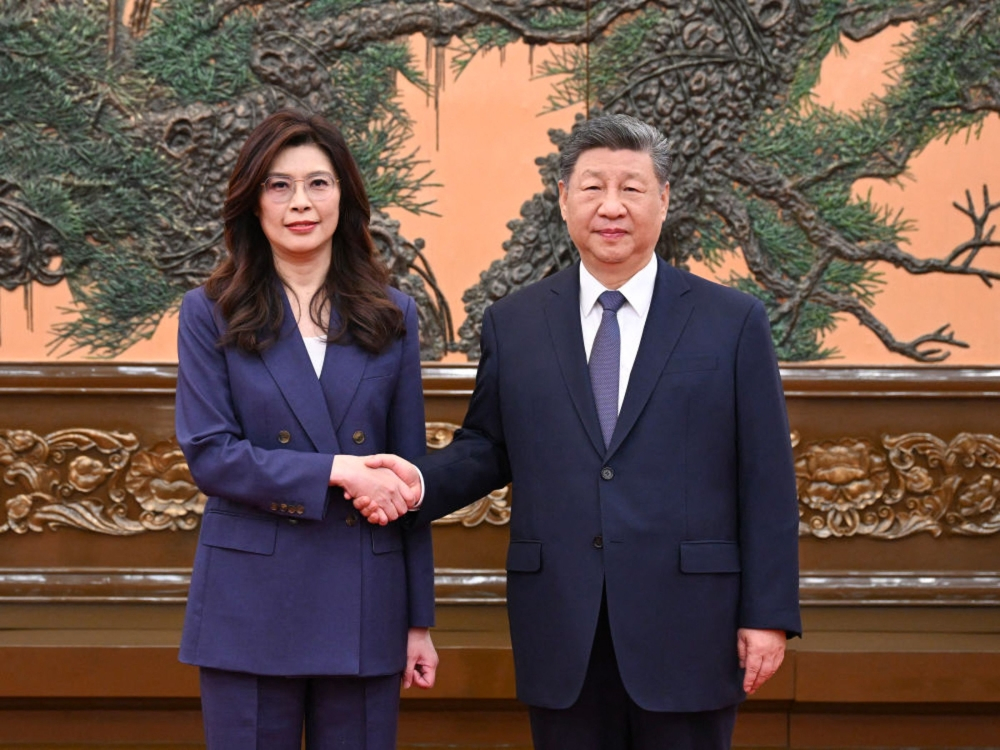
The visit by the KMT delegation marks a rare moment of high-level political interaction between China and a major Taiwanese political party. It is the first such engagement in years, making it a notable development in the broader geopolitical landscape of the region.
During the visit, senior KMT figures held discussions with Chinese officials, including Xi Jinping, where both sides emphasized the importance of dialogue, cooperation, and peaceful development.
China has historically maintained closer relations with the KMT compared to Taiwan’s ruling party, viewing the opposition as more open to engagement and less confrontational on issues of sovereignty and cross-strait policy.
While the KMT welcomed the measures as an opportunity to boost economic ties and reduce tensions, the response from Taiwan’s ruling authorities has been more cautious.
Officials in Taiwan raised concerns that such initiatives could be politically motivated, warning that engagement should not be used to influence internal politics or undermine Taiwan’s autonomy.
The differing reactions highlight the ongoing political divide within Taiwan regarding how best to manage relations with China, a question that continues to shape the island’s domestic and foreign policy.
The timing of China’s announcement is significant, coming amid heightened tensions in the Taiwan Strait and broader geopolitical competition in the Asia-Pacific region.
Analysts believe the new measures reflect a strategic approach by Beijing to:
- Strengthen economic interdependence with Taiwan
- Build influence through non-military means
- Engage alternative political actors within Taiwan
- Promote a narrative of peaceful cooperation
This approach allows China to balance its firm stance on sovereignty with softer diplomatic and economic outreach.
The proposed measures could provide economic benefits to key sectors in Taiwan, particularly agriculture, tourism, and aviation. Increased access to the mainland market may offer short-term gains for businesses and communities that rely on cross-strait trade.
However, experts caution that deeper economic engagement may also raise concerns about long-term dependency and political leverage, especially in sensitive sectors.
The effectiveness of these initiatives will depend on how they are received by both policymakers and the public in Taiwan.
China’s latest move signals a renewed attempt to reshape cross-strait relations through engagement rather than confrontation. However, significant challenges remain, including political mistrust, security concerns, and competing national interests.
As tensions continue to define the broader relationship, the success of these measures will depend on whether they can evolve into sustained dialogue and mutual confidence-building.
For now, the rare KMT visit and China’s subsequent policy announcements mark an important moment in the ongoing effort to navigate one of Asia’s most complex and sensitive geopolitical relationships.