KUALA LUMPUR,APRIL — The United States has moved to impose a naval blockade targeting Iran’s maritime routes in the Strait of Hormuz, marking a major escalation in the ongoing conflict and sending shockwaves through global energy markets.
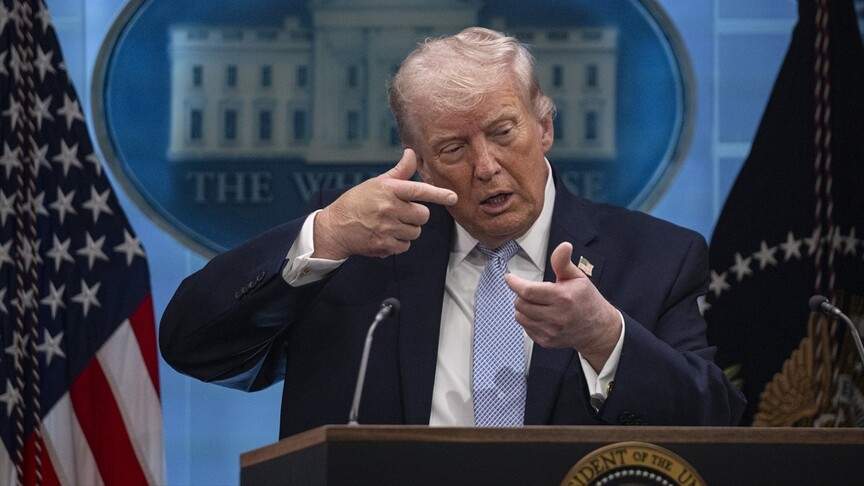
The decision, ordered by Donald Trump, follows the collapse of high-level peace negotiations between Washington and Tehran, effectively shifting the crisis from fragile diplomacy into a more aggressive military and economic confrontation.

The blockade specifically targets vessels entering or leaving Iranian ports, with US forces set to intercept maritime traffic linked to Iran. The move is part of a broader strategy to pressure Tehran economically while restricting its ability to export oil.
Officials say the blockade will not fully shut down the Strait to all international shipping, but it significantly increases risks for vessels operating in one of the world’s most critical energy corridors.
The Strait of Hormuz is responsible for roughly 20% of global oil trade, making any disruption immediately impactful on global supply chains and energy prices.
Global markets reacted sharply to the announcement, with oil prices jumping above $100 per barrel amid fears of supply disruption and prolonged instability.
Shipping costs have also surged dramatically, with reports indicating that crude transport expenses have increased by more than 1,300% compared to pre-conflict levels, reflecting heightened risk and insurance premiums.
Equity markets declined while commodities spiked, as investors shifted away from risk assets in response to escalating geopolitical uncertainty.
The escalation follows the breakdown of peace talks held in Islamabad, where both sides failed to reach an agreement on key issues, particularly Iran’s nuclear program and control over regional energy routes.
US officials insisted on stricter limits on uranium enrichment and broader security guarantees, while Iran rejected what it described as excessive and unrealistic demands.
With negotiations collapsing, Washington moved quickly to implement the blockade, signaling a shift from diplomatic engagement to coercive pressure.
Iran has strongly condemned the US action, warning that any military interference in the Strait of Hormuz would be viewed as a violation of existing ceasefire arrangements and could trigger a “forceful response.”
Tehran has previously asserted control over the strait and has threatened to restrict access to what it considers hostile nations, raising the risk of direct confrontation between naval forces.
The region has already seen increased military activity, including drone operations, missile deployments, and naval maneuvers from both sides.
The blockade adds to an already fragile global energy situation, with disruptions in the Strait contributing to one of the most severe supply shocks in recent history.
Energy analysts warn that continued instability could lead to:
- Sustained high oil prices
- Fuel shortages in import-dependent economies
- Rising inflation and transportation costs
- Broader economic slowdown
The Strait of Hormuz remains a critical chokepoint for oil exports from the Middle East, and any prolonged disruption could reshape global energy flows.
The Strait of Hormuz connects major oil producers in the Persian Gulf to international markets, making it one of the most strategically sensitive waterways in the world.
Recent military actions, including US efforts to secure shipping lanes and Iranian attempts to assert control, have turned the area into a high-risk zone for commercial shipping.
Even partial disruption has led to reduced vessel traffic, increased insurance costs, and logistical challenges for global energy companies.
While US officials suggest the blockade is intended as a controlled pressure tactic, analysts warn that the situation could escalate rapidly if either side miscalculates.
The combination of military deployments, economic pressure, and disrupted energy flows creates a volatile environment with limited room for error.
With diplomacy stalled and tensions rising, the conflict in the Strait of Hormuz is now seen as a key flashpoint that could determine the trajectory of the broader US–Iran confrontation—and its impact on the global economy.