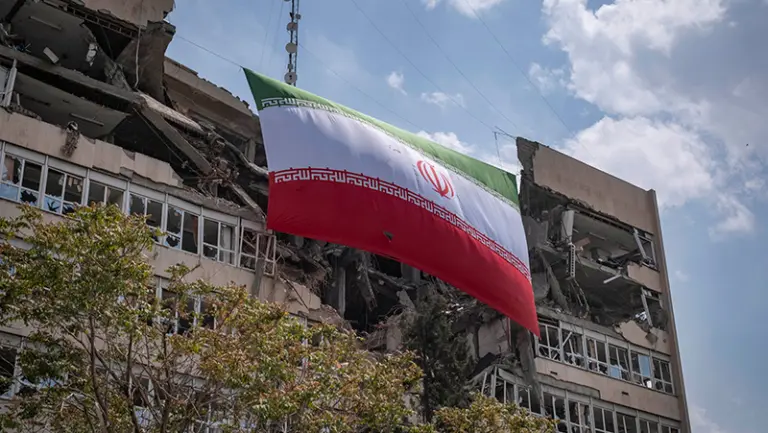
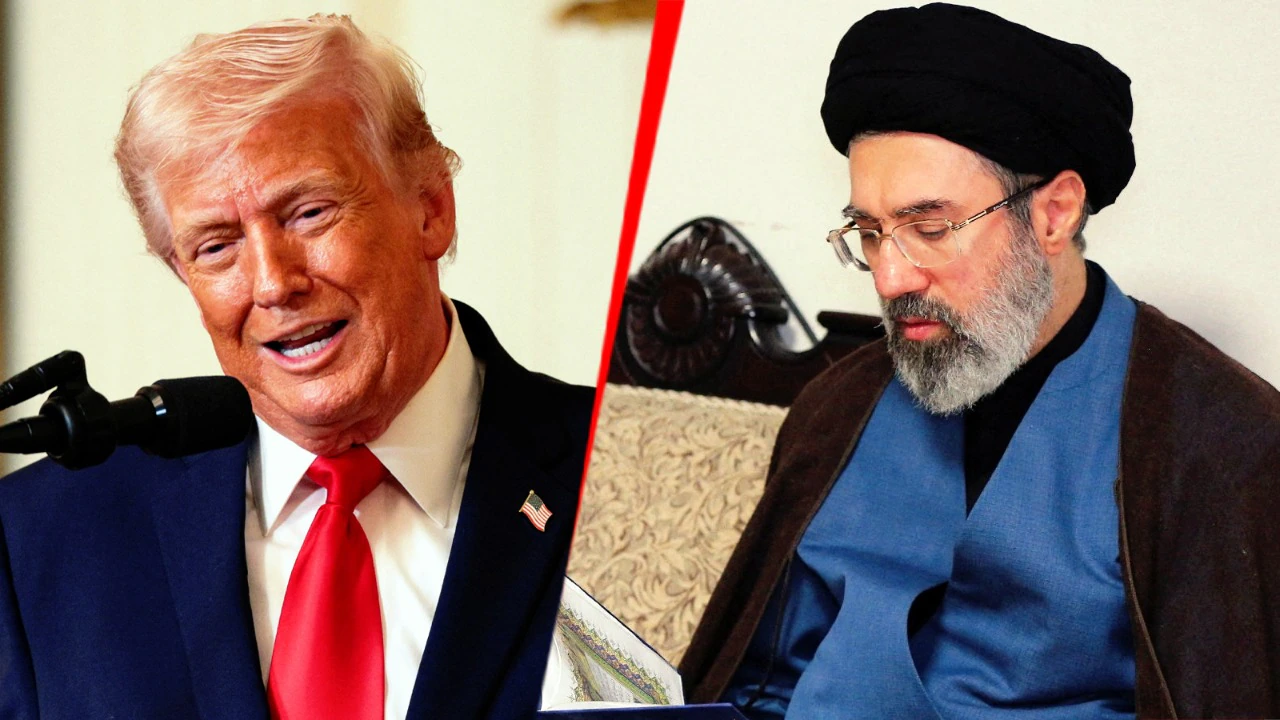
Kuala Lumpur— Amid ongoing tensions from its conflict with the United States and Israel, Iran has reopened limited access through the Strait of Hormuz for vessels from “friendly” countries. The selective policy permits oil tankers and cargo ships from Malaysia, Indonesia, China, India, and Russia to pass, while vessels linked to the US and Israel remain completely banned.
According to a statement from Iran’s Ministry of Foreign Affairs, the strategically vital Strait of Hormuz — which handles about 20% of the world’s oil supply — is now open on a case-by-case basis. Ships must obtain prior approval and follow designated safe corridors coordinated with Iranian authorities. “We are allowing friendly nations such as China, Russia, India, Malaysia, and Pakistan to transit in order to maintain global trade stability,” said an Iranian spokesperson.

Impact on Malaysia
Malaysia is among the main beneficiaries. Prime Minister Anwar Ibrahim confirmed that Iran granted special clearance to Malaysian tankers following direct communication with President Masoud Pezeshkian. Several Malaysian oil tankers have successfully passed through without incident, helping secure domestic energy supplies. “We thank Iran for this cooperation,” PM Anwar stated.
Indonesia’s Position
Indonesia has also secured partial access. The Indonesian Foreign Ministry confirmed that Iran responded positively to requests for two Pertamina tankers that were previously delayed. Coordination is ongoing to ensure Indonesian vessels are not affected by the selective blockade. This is critical for the country’s oil imports and domestic fuel price stability.
China and India: Major Beneficiaries
China, Iran’s largest oil buyer, has received broad access. Multiple Chinese container ships and tankers have transited safely, strengthening Asia’s energy supply chain. India has also been actively negotiating, with several LPG and crude oil tankers successfully passing after diplomatic agreements. Both nations are viewed as key strategic partners by Tehran.
Russia: Strong Support
Russia remains a top priority. Reports indicate that even luxury superyachts linked to Russian oligarchs have been allowed passage. Russia-Iran cooperation continues to deepen amid the current global geopolitical climate.
United States and Israel: Total Ban
In contrast, Iran has firmly closed the strait to any vessels flagged or connected to the United States and Israel. US naval presence and ongoing tensions with Israel have reduced traffic from these nations to nearly zero. Iran has even seized several ships suspected of violating the rules. The US government has condemned the policy as “extortion” and continues its own blockade measures against Iran.
Analysts describe Iran’s approach as a “Tehran Toll” system — friendly nations can pass with coordination, while adversaries face strict restrictions. Global oil prices fluctuated initially but have since stabilized with the limited resumption of traffic. However, thousands of sailors remain stranded in the Persian Gulf, and the risk of incidents remains high.
The governments of Malaysia, Indonesia, and other Asian nations continue diplomatic efforts to safeguard their shipping, while the world watches to see whether any US-Iran peace agreement could fully reopen the strait.
This report is based on the latest developments regarding the Strait of Hormuz.